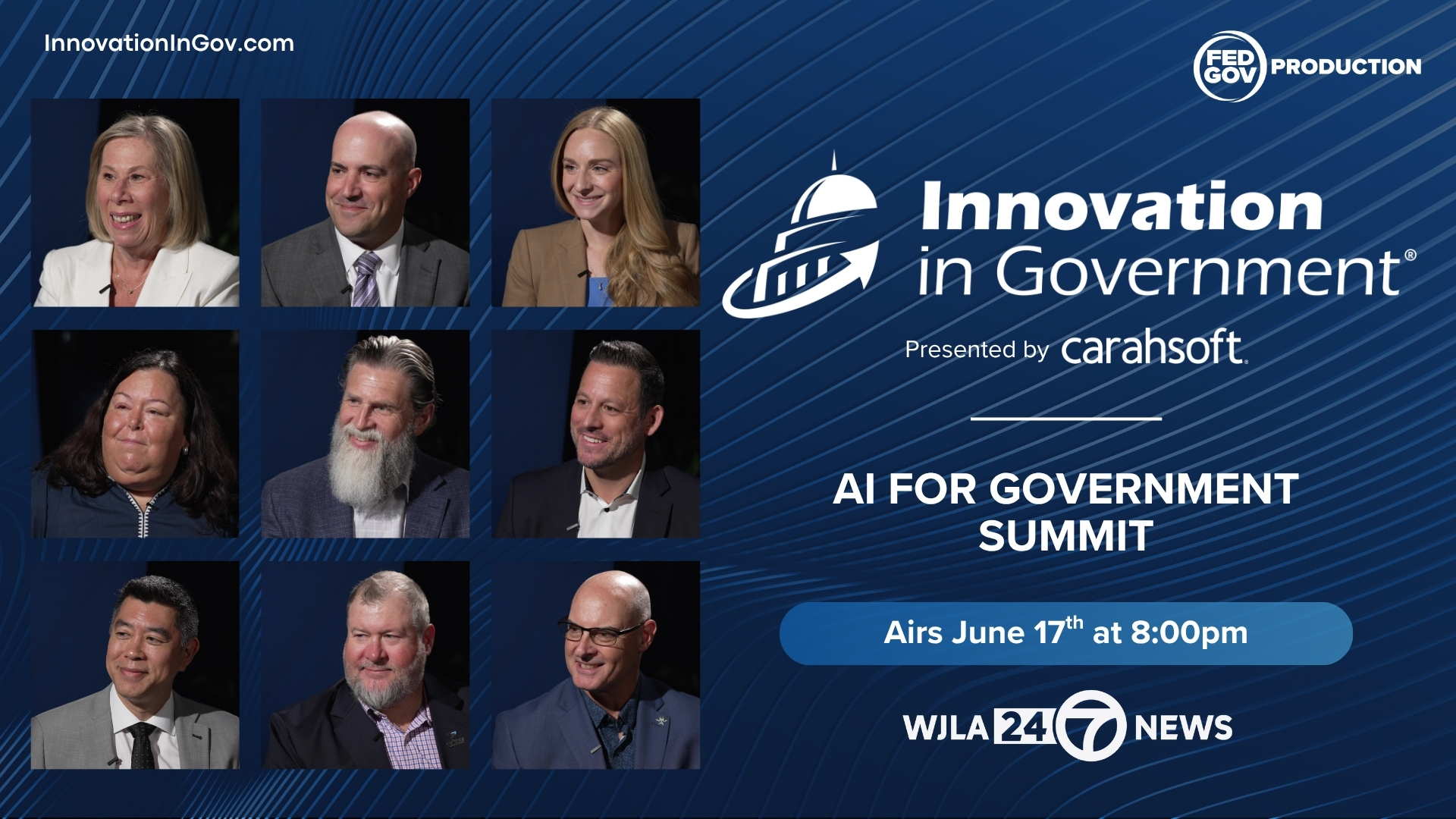
Innovation in Government: Artificial Intelligence and the Future of Public Sector Performance
Leaders across government and industry are using AI to modernize operations, improve citizen services, strengthen cybersecurity, combat fraud, and empower employees with new tools and insights. During the AI for Government Summit, executives from the Department of Energy, Centers for Medicare & Medicaid Services, the Central Intelligence Agency, and leading technology organizations shared how AI is transforming mission delivery while highlighting the challenges of data readiness, governance, security, workforce development, and trust. Together, these leaders painted a picture of a government increasingly focused on turning AI investments into measurable outcomes that improve services, enhance efficiency, and strengthen national competitiveness.
Transforming Government Decision-Making Through Enterprise AIs
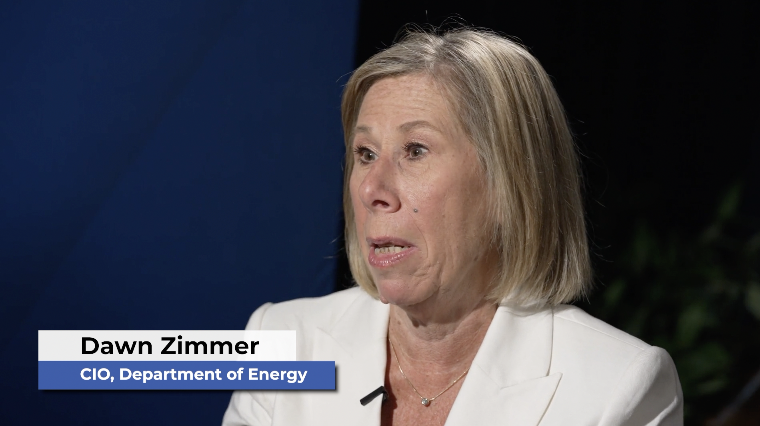
Dawn Zimmer, Chief Information Officer at the Department of Energy, discussed how the agency has evolved from early artificial intelligence experimentation into a comprehensive enterprise AI ecosystem that is helping employees and executives make better, faster decisions.
Building the Foundation for AI Readiness
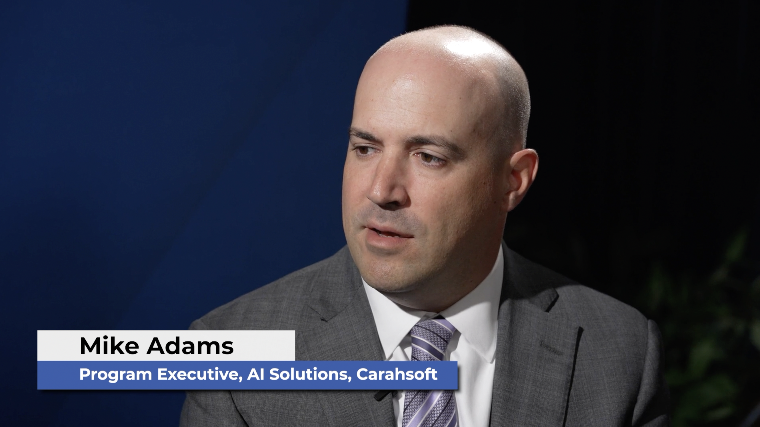
Mike Adams, Program Executive for AI Solutions at Carahsoft, emphasized that successful AI adoption depends on more than technology. Agencies must establish strong foundations that include quality data, governance, infrastructure, workforce readiness, and mission alignment before AI can deliver meaningful outcomes.
Designing AI for Long-Term Mission Success
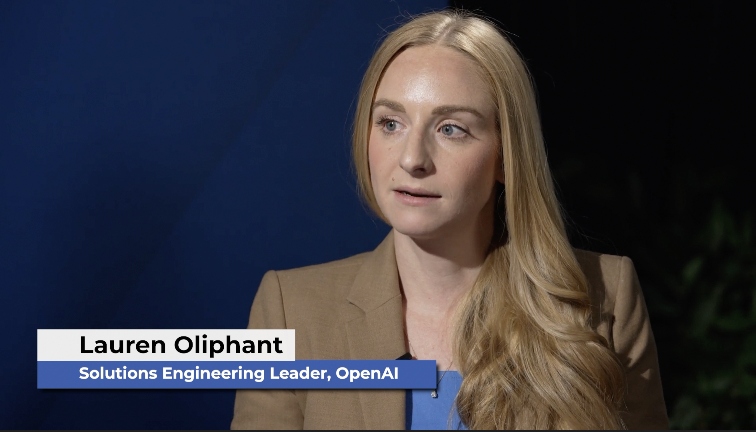
Lauren Oliphant, Solutions Engineering Leader at OpenAI, believes government organizations must move beyond treating artificial intelligence as a productivity enhancement and instead rethink how entire workflows are designed.

Fighting Fraud and Improving Outcomes Through AI
Kim Brandt, Deputy Administrator and CMS, outlined how artificial intelligence is helping CMS improve fraud detection, streamline operations, and better serve more than 170 million beneficiaries.
Creating Trusted Infrastructure for the AI Era
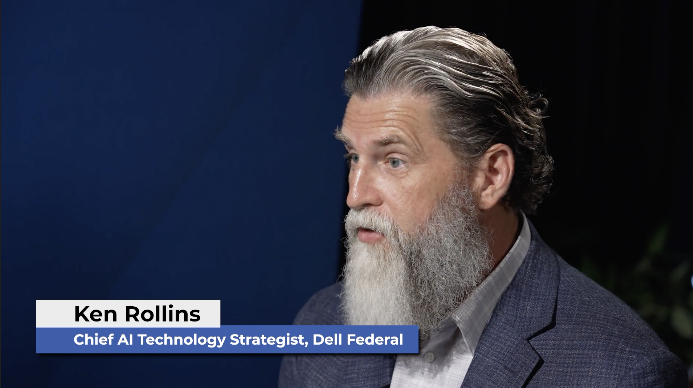
Ken Rollins, Chief AI Technology Strategist at Dell Federal, discussed the critical role infrastructure plays in helping agencies move artificial intelligence from experimentation into operational environments.
Turning AI Innovation Into Mission Advantage
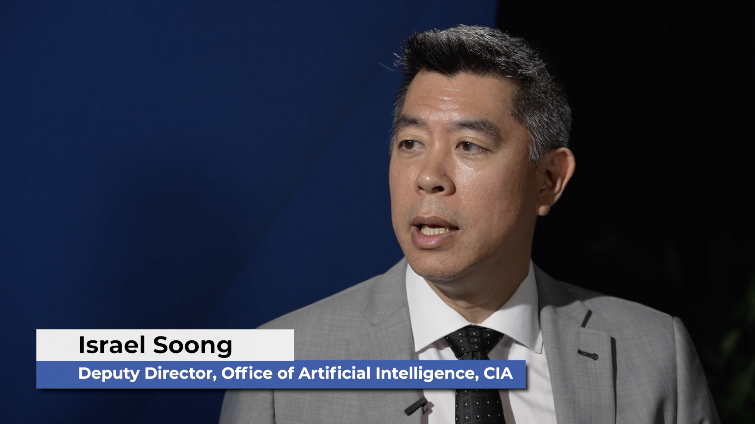
Israel Soong, Deputy Director of the Office of Artificial Intelligence at the CIA, described how the agency is transitioning from building AI infrastructure to delivering mission-ready capabilities across the intelligence enterprise.
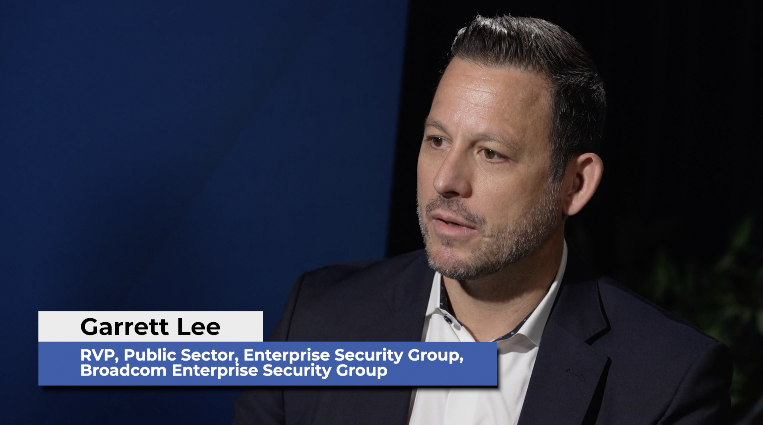
Securing the Future of AI-Powered Government
Garrett Lee, Regional Vice President for Public Sector at Broadcom Enterprise Security Group, argued that cybersecurity must be a foundational component of every AI initiative. As both defenders and adversaries adopt AI, organizations face an increasingly complex security environment.
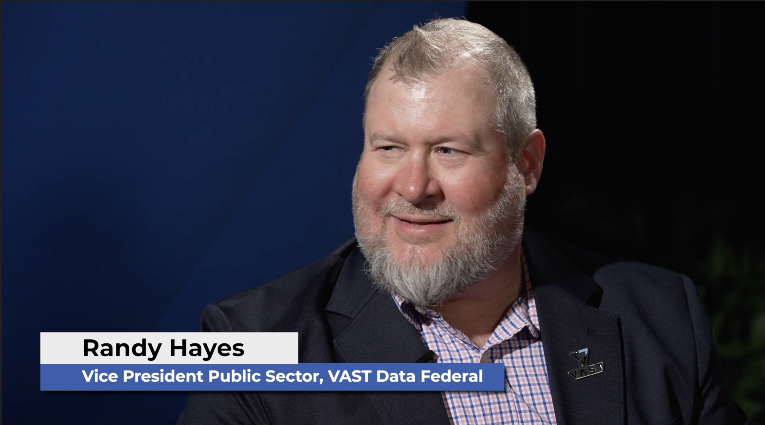
Building Data Foundations for the Next Generation of AI
Randy Hayes, Vice President of Public Sector at VAST Data Federal, explained that every successful AI initiative begins with data. Agencies seeking to scale AI must establish architectures capable of managing, securing, and delivering information wherever it is needed.
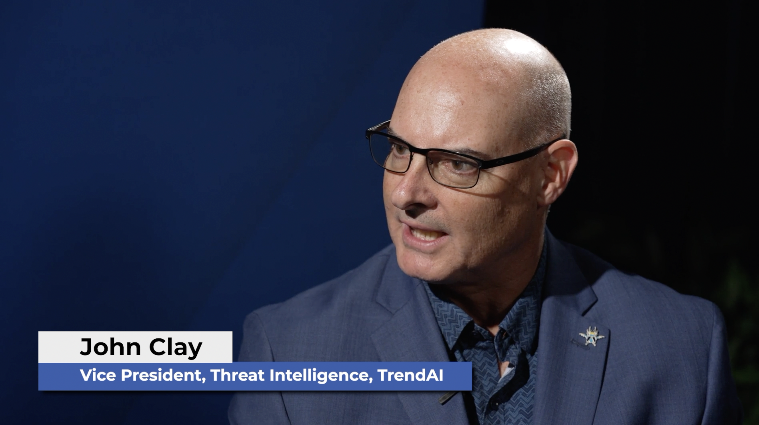
The New Cybersecurity Arms Race
John Clay, Vice President of Threat Intelligence at Trend AI, described how artificial intelligence is reshaping the cybersecurity landscape for both defenders and attackers.
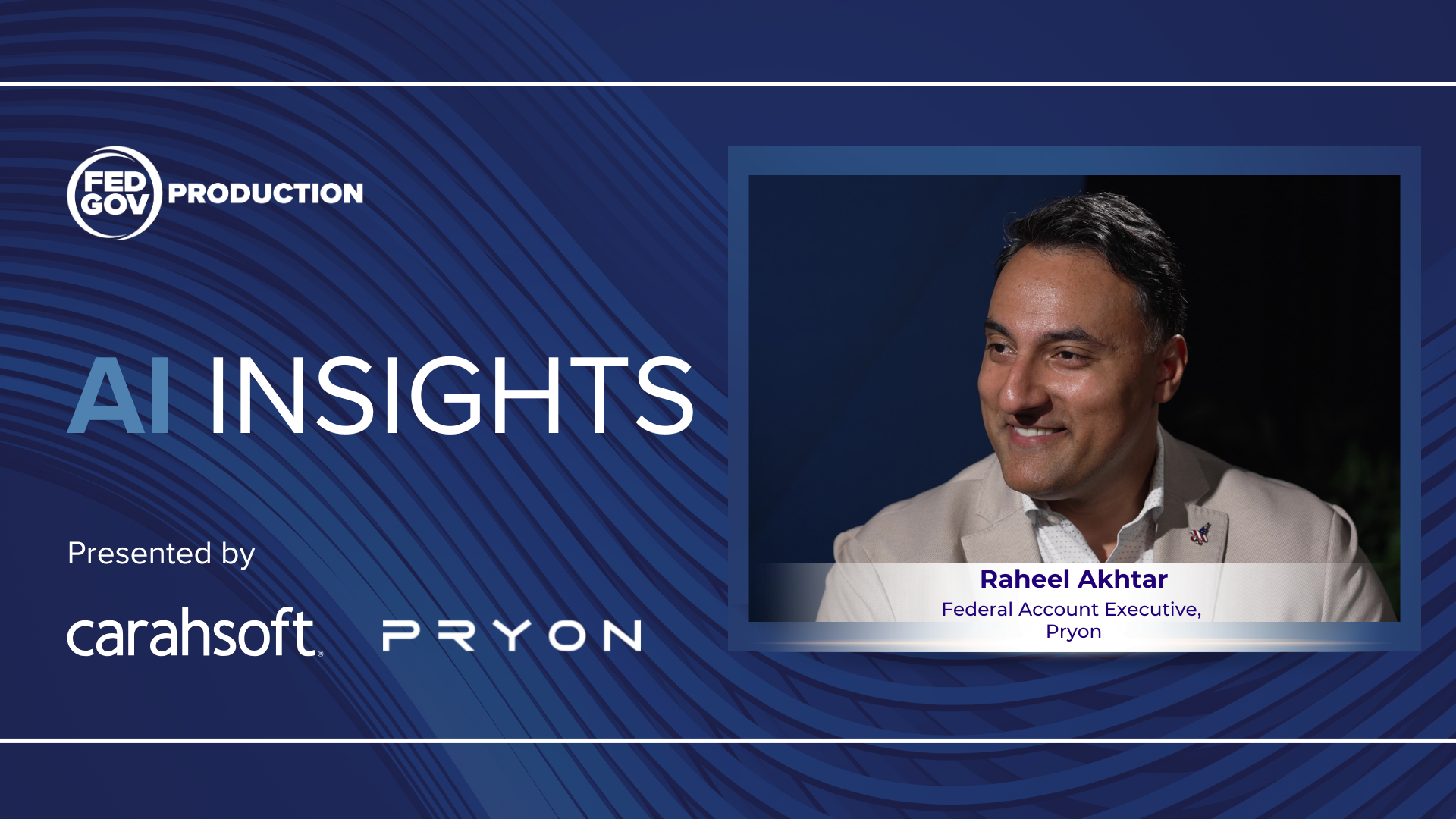
Why Trust and Explainability Matter in Government AI
Raheel Akhtar,Federal Account Executive at Pryon, discusses the growing importance of trust, transparency, and explainability in AI systems.
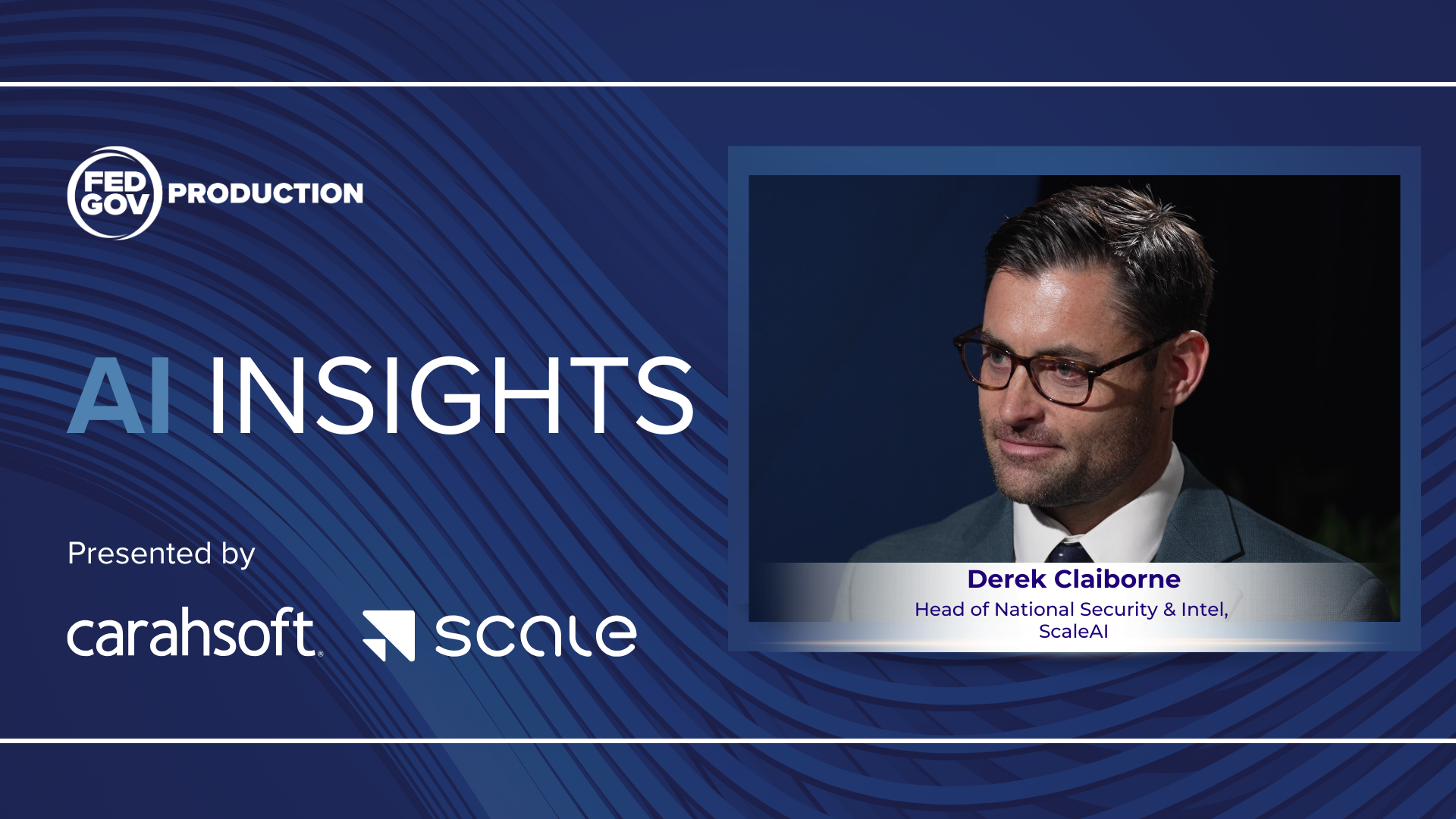
Why Governance Is the Key to Scaling AI
Derek Claiborne, Head of National Security & Intelligence at Scale AI, discusses the importance of governance, testing, and evaluation in AI deployments.
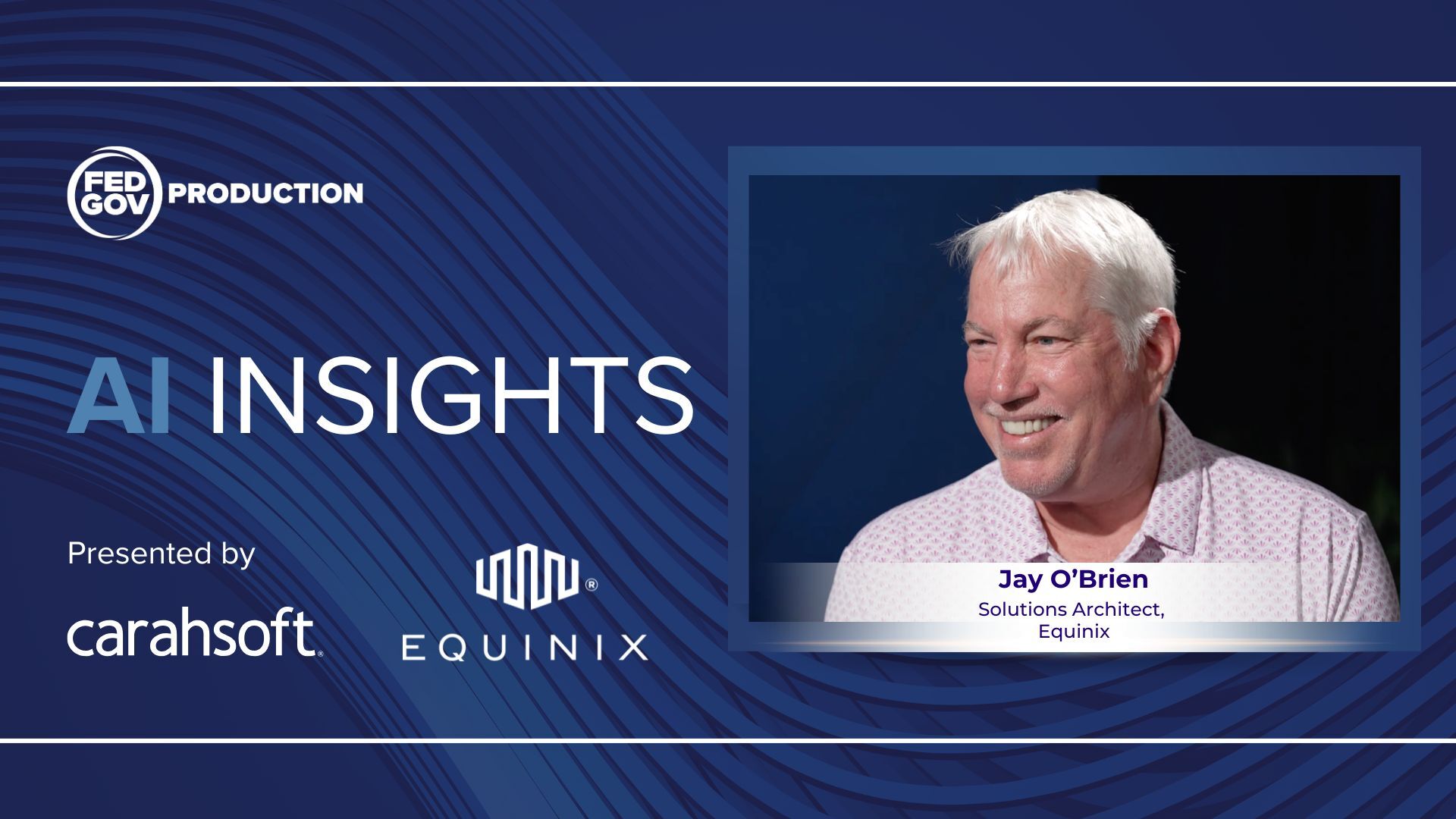
Infrastructure, Observability, and Control Are Essential to AI Deployment
Jay O'Brien, Solutions Architect at Equinix, emphasized that agencies should approach AI deployment through a framework that accounts for security, cost, observability, and network performance.
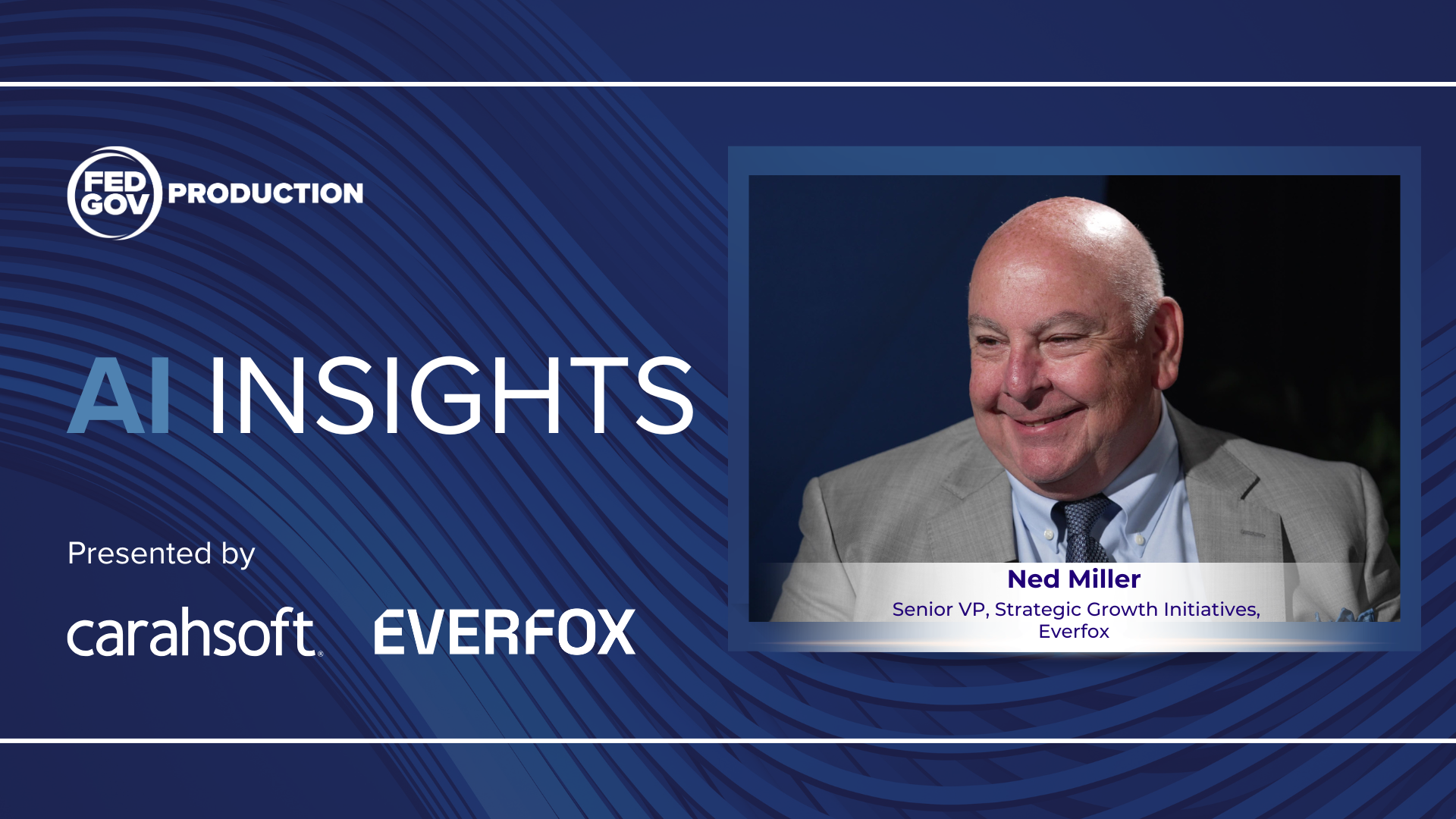
Protecting the AI Decision Advantage
Ned Miller, Senior Vice President of Strategic Growth Initiatives at Everfox, discusses how agencies can securely operationalize AI across defense and intelligence missions.
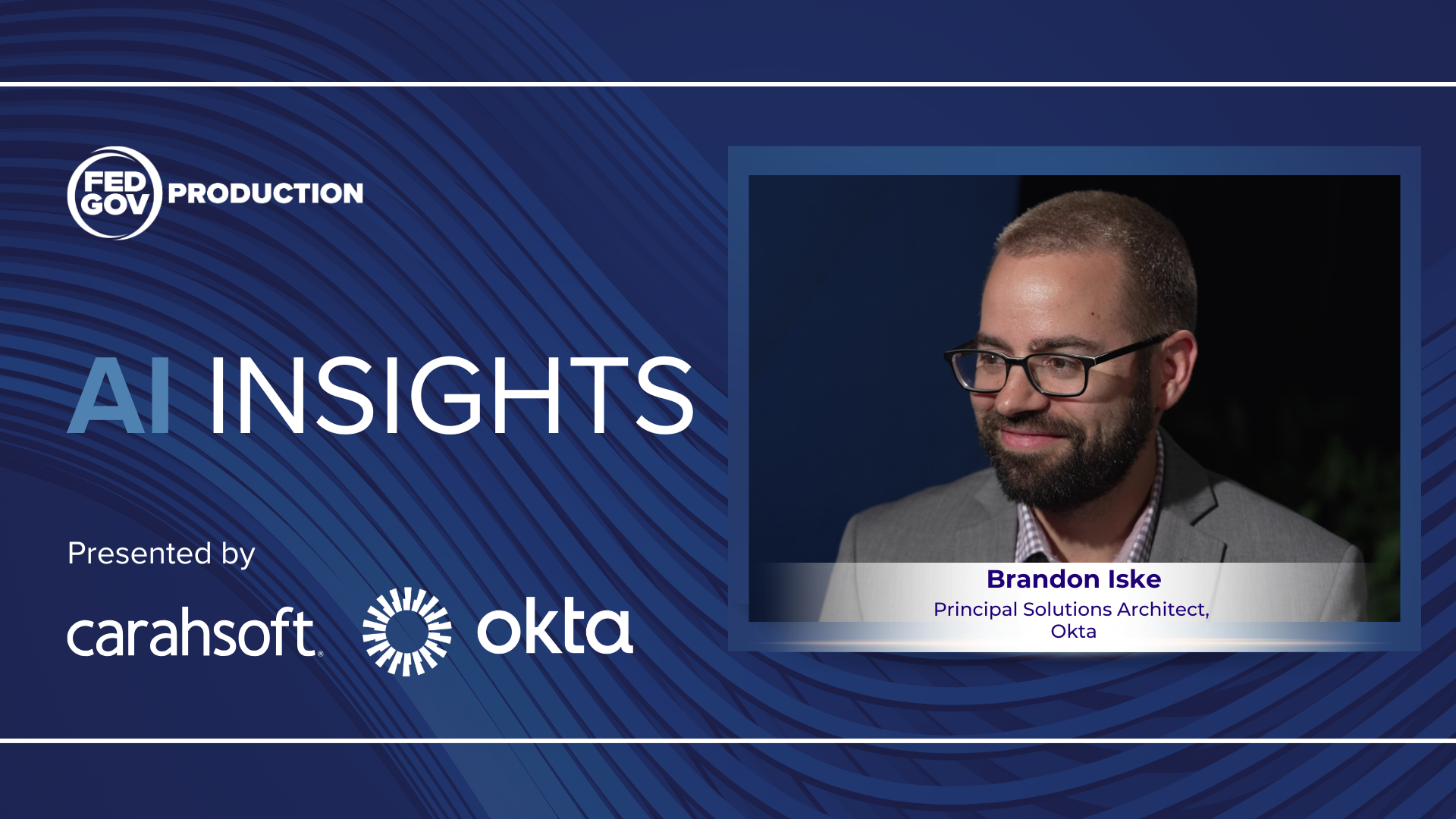
Managing Identity in the Age of AI Agents
Brandon Iske, Principal Solutions Architect at Okta, discusses how AI is reshaping identity management.
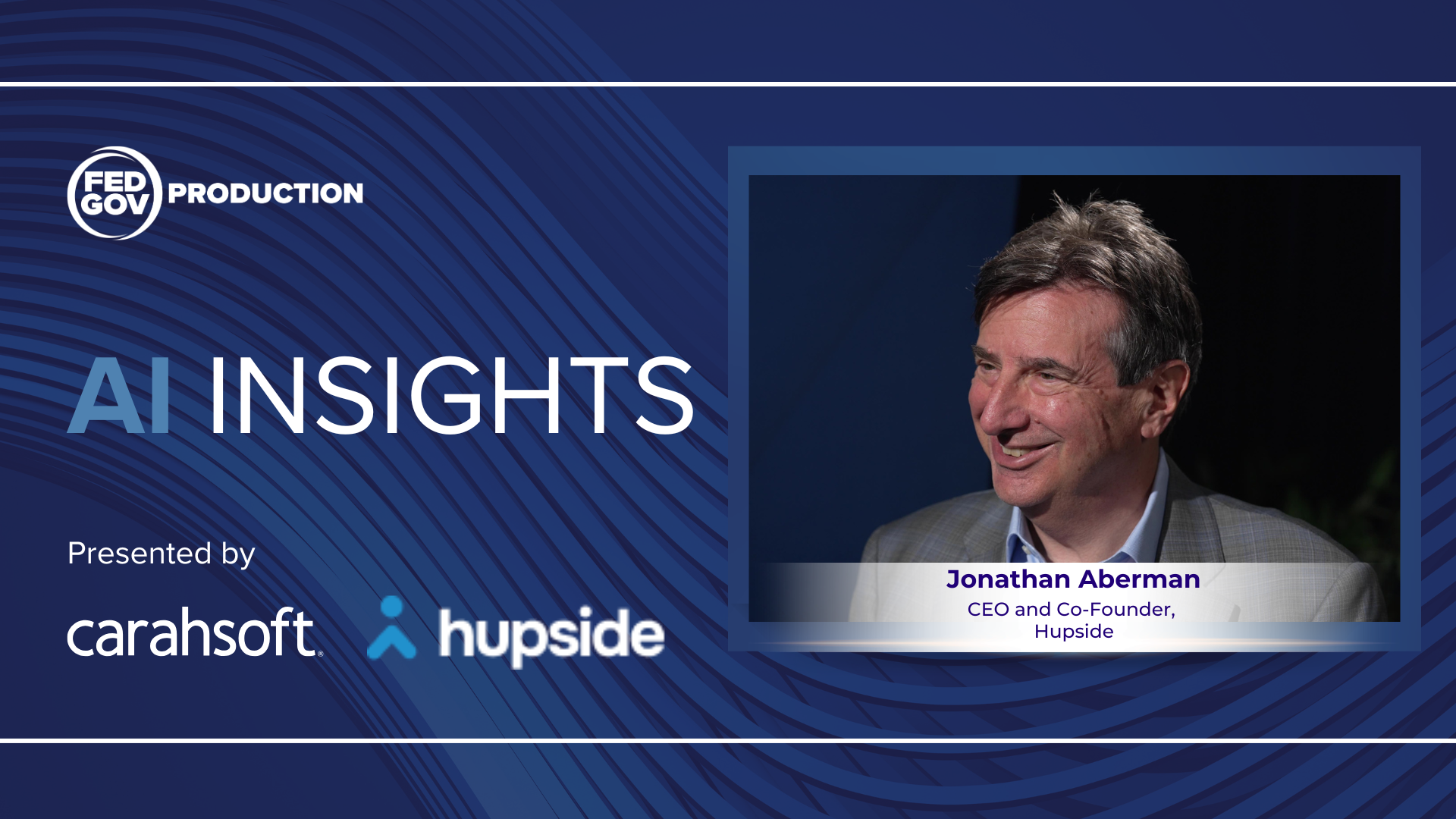
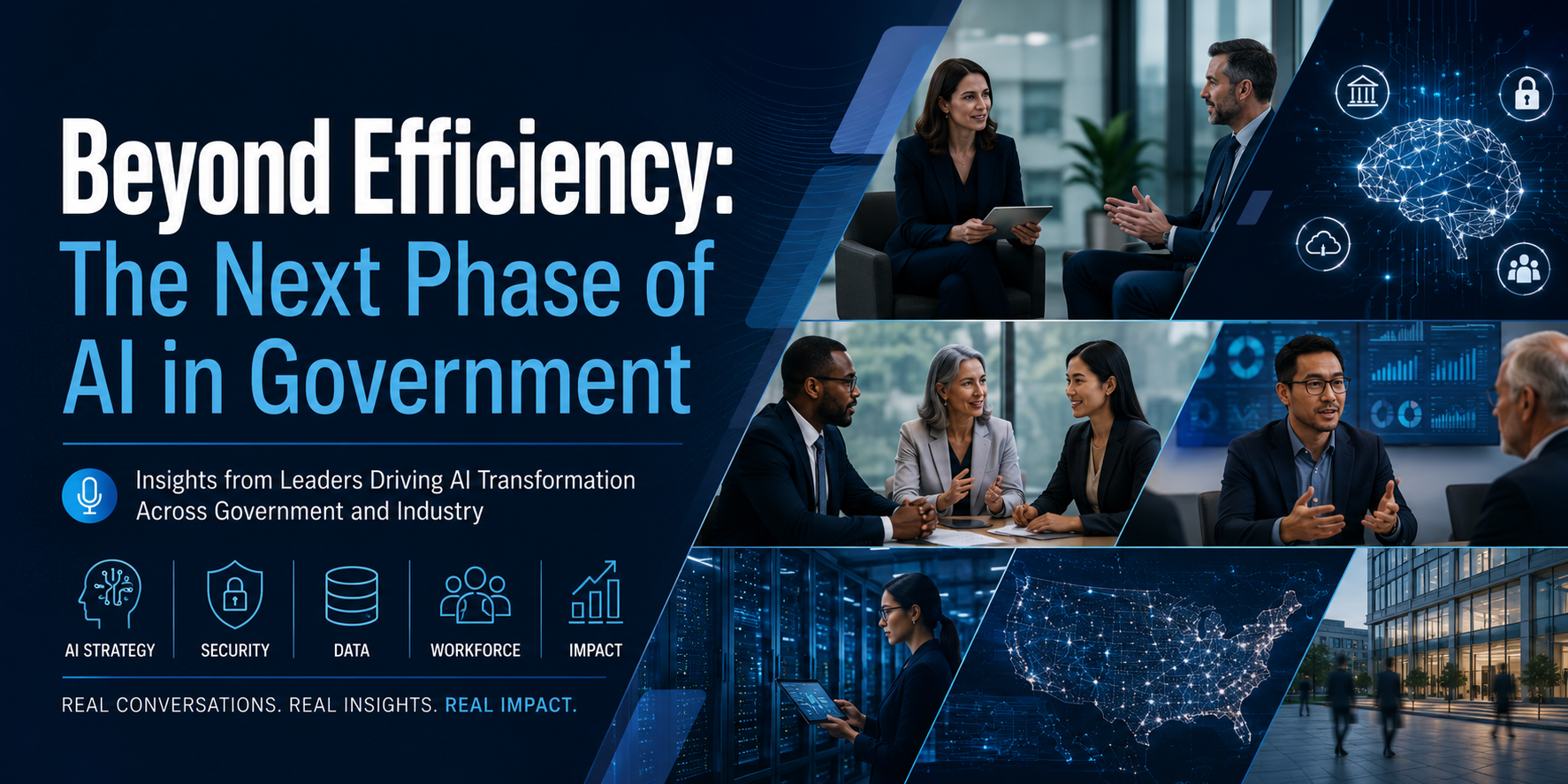
Moving Beyond Efficiency: The Next Phase of AI
Jonathan Aberman,, CEO and Co-Founder of Hupside, discusses why the future of AI is about more than efficiency.
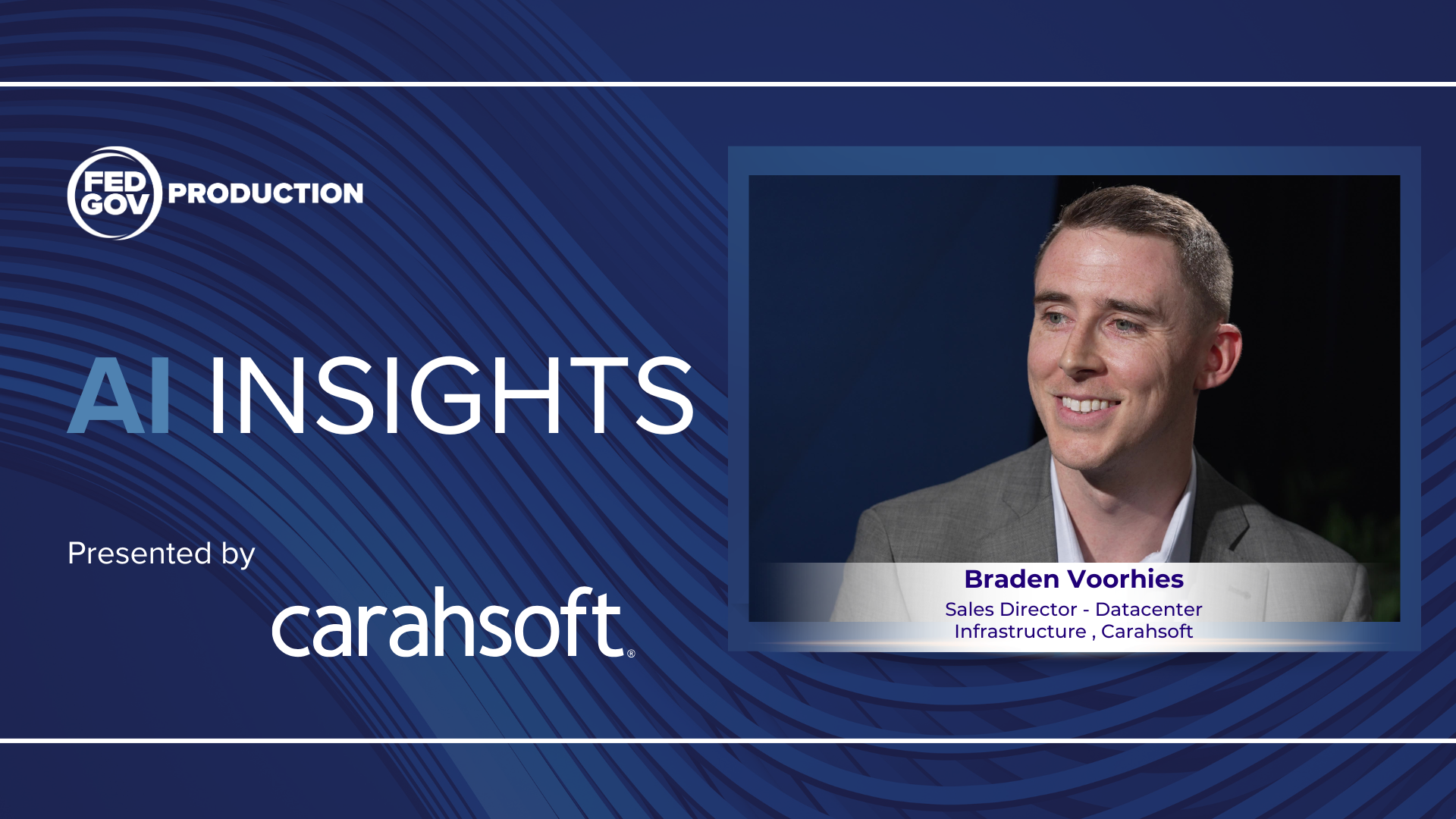
Cybersecurity Must Be Embedded Throughout the AI Journey
Braden Voorhees, Director of Data Center Infrastructure at Carahsoft, AI and cybersecurity must evolve together.
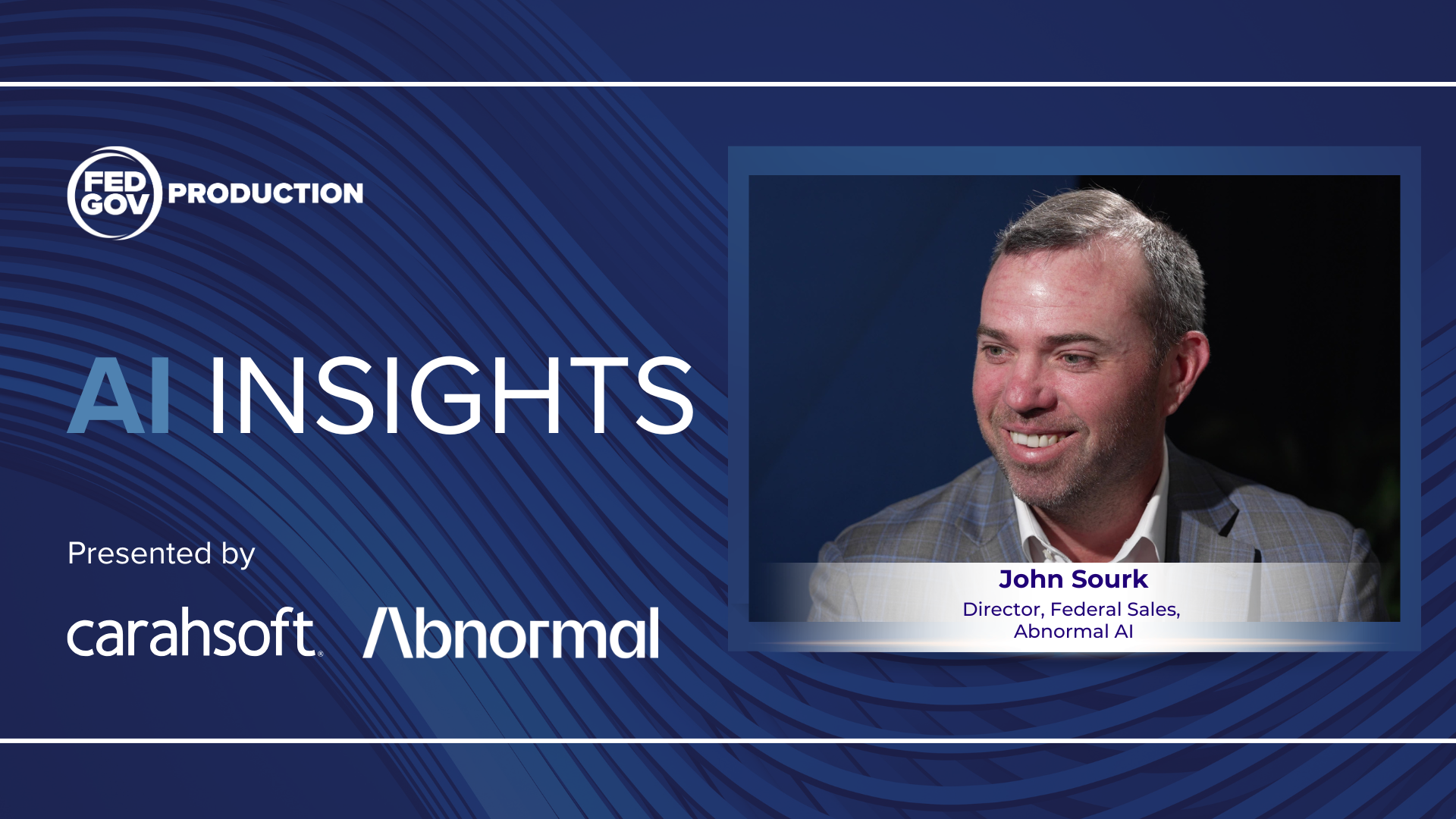
How AI Is Transforming Cyber Defense Against Nation-State Threats
John Sourk, Director of Federal Sales at Abnormal AI, discusses how artificial intelligence is changing both sides of the cybersecurity battlefield.
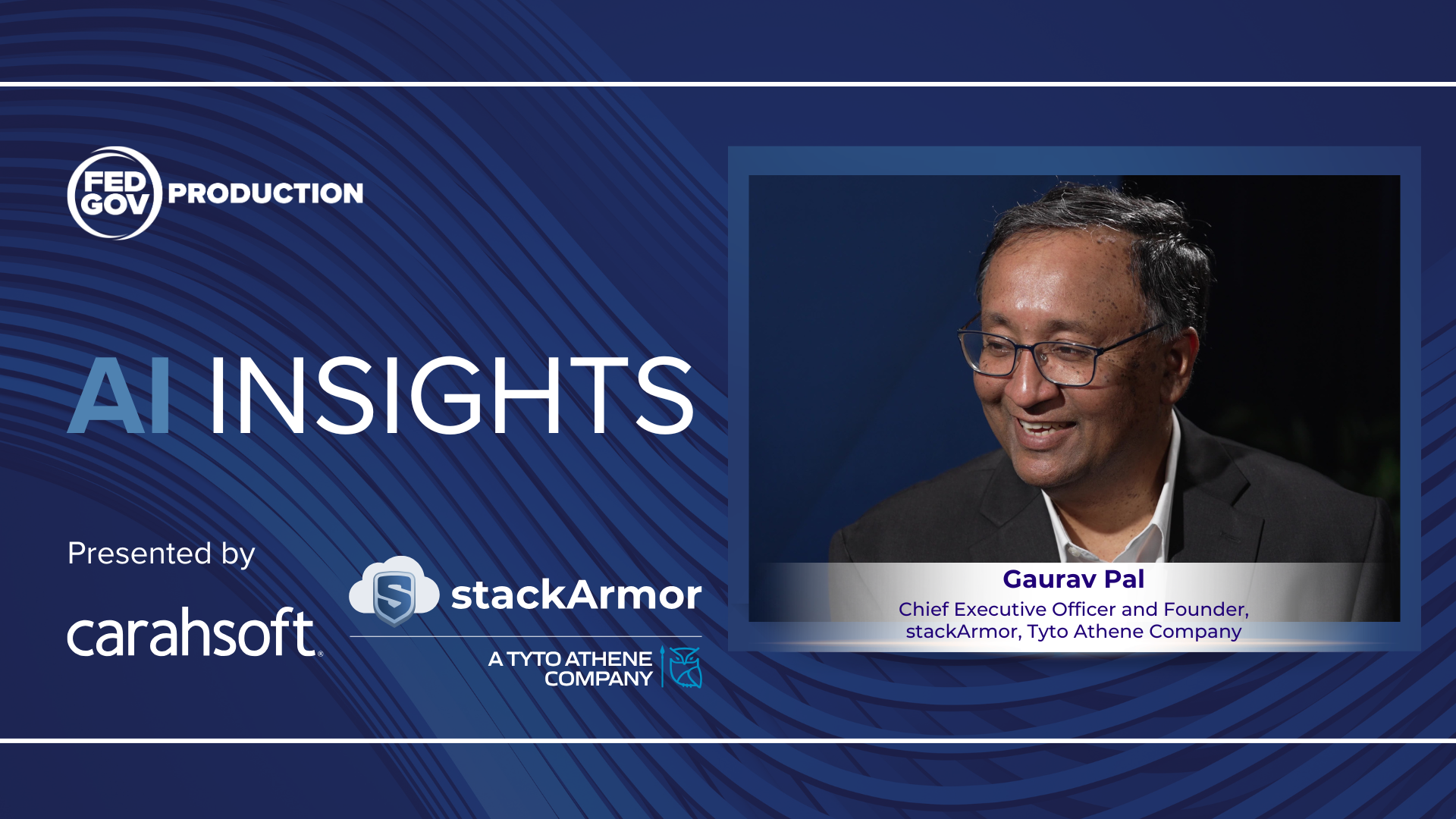
Using AI to Strengthen Cybersecurity and Compliance
Gaurav Pal, , CEO and Founder of stackArmor, a Tyto Athene company, discusses how AI is transforming cybersecurity, software development, and compliance management.