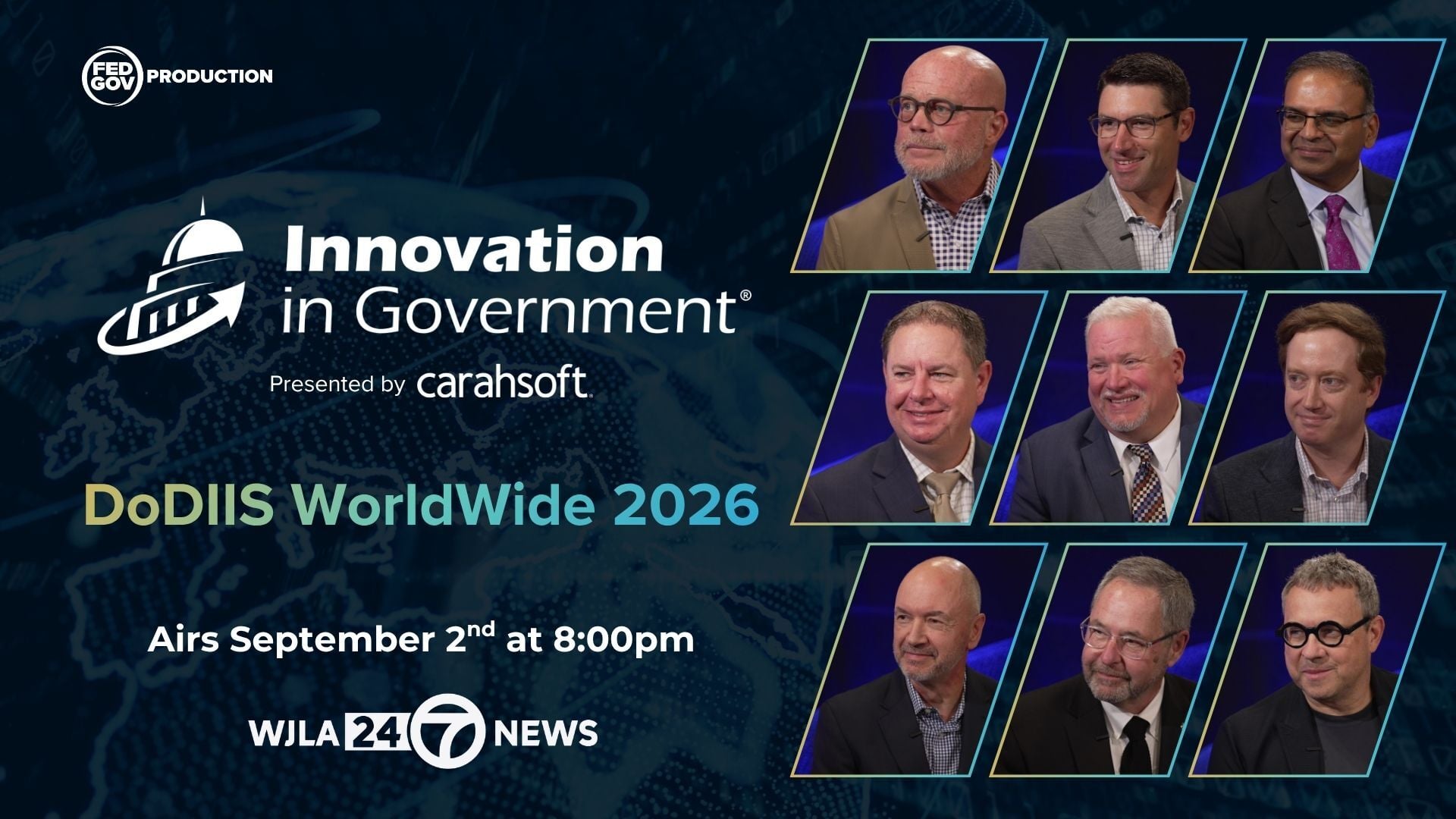
Innovation in Government from DoDIIS 2026
From zero trust and artificial intelligence assurance to data-centric modernization and cyber intelligence, leaders from across the intelligence and defense communities are rethinking how technology supports the mission. Recorded at DoDIIS 2026, these conversations explore how government and industry are moving beyond collaboration toward deeper integration—while keeping security, trust, workforce readiness and operational outcomes at the center.
From Collaboration to Integration: Building the Next Generation of Government Technology
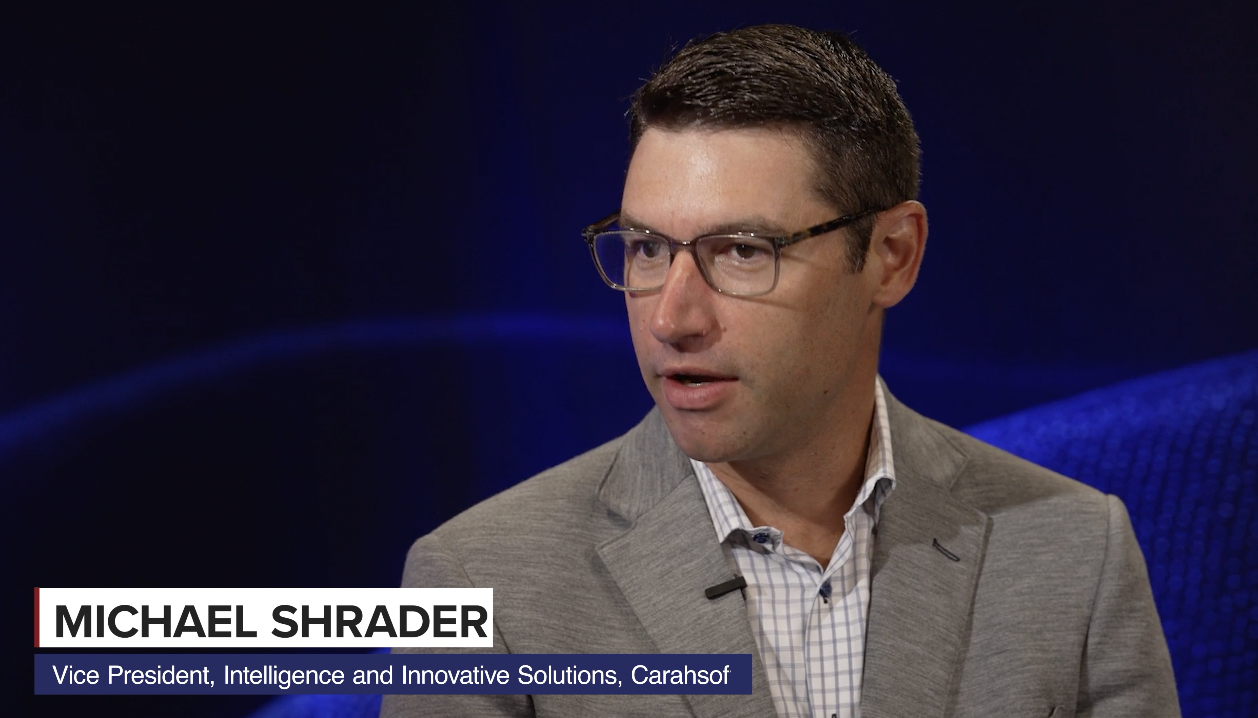
Michael Shrader, Vice President of Intelligence and Innovative Solutions at Carahsoft, explains why the relationship between government and industry is evolving from collaboration to integration.
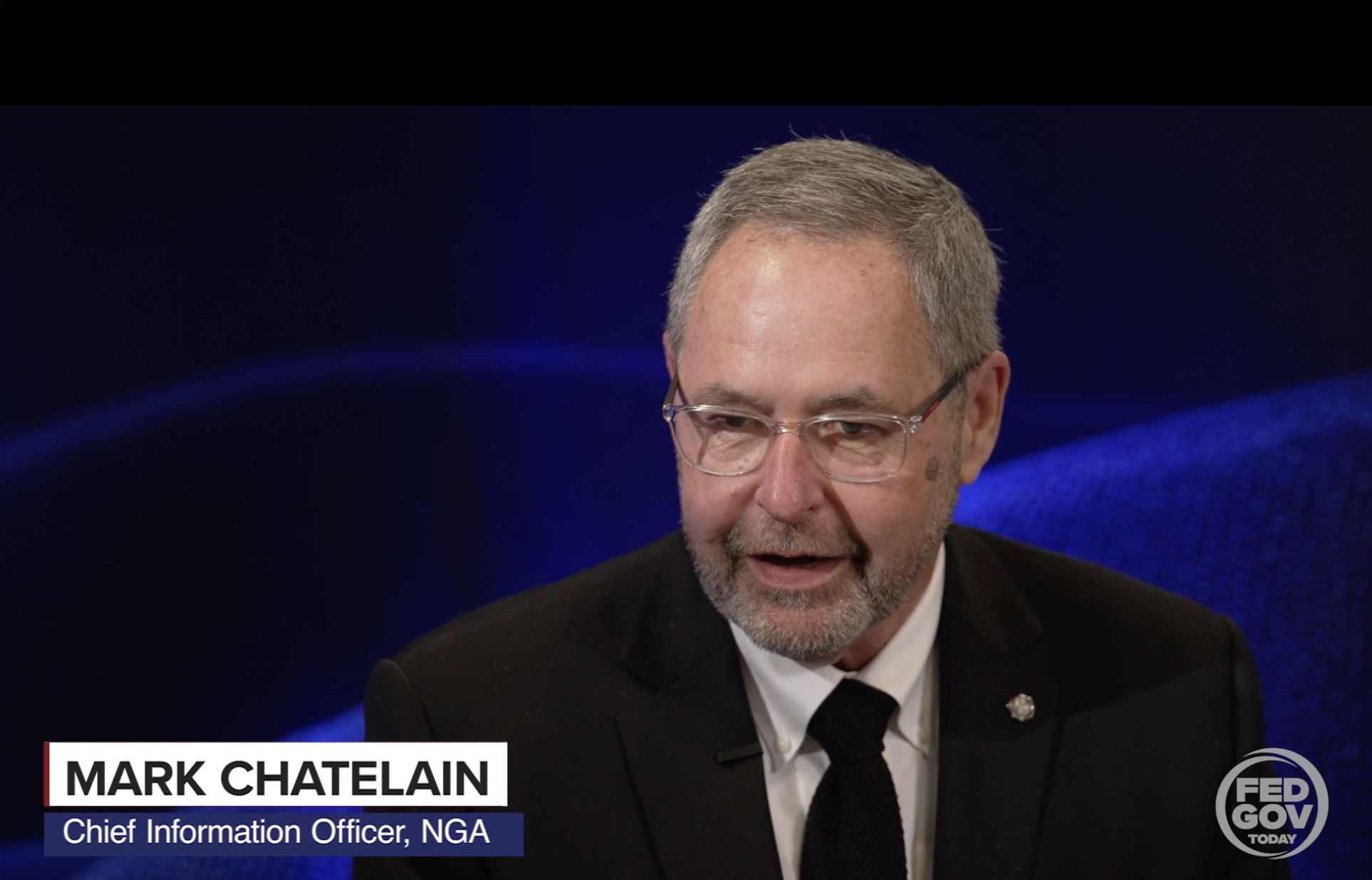
Securing Data—and AI Agents—Through Zero Trust at NGA
Mark Chatelain, Chief Information Officer at the National Geospatial-Intelligence Agency, discusses how NGA is applying zero trust principles as the agency processes and shares growing volumes of information.
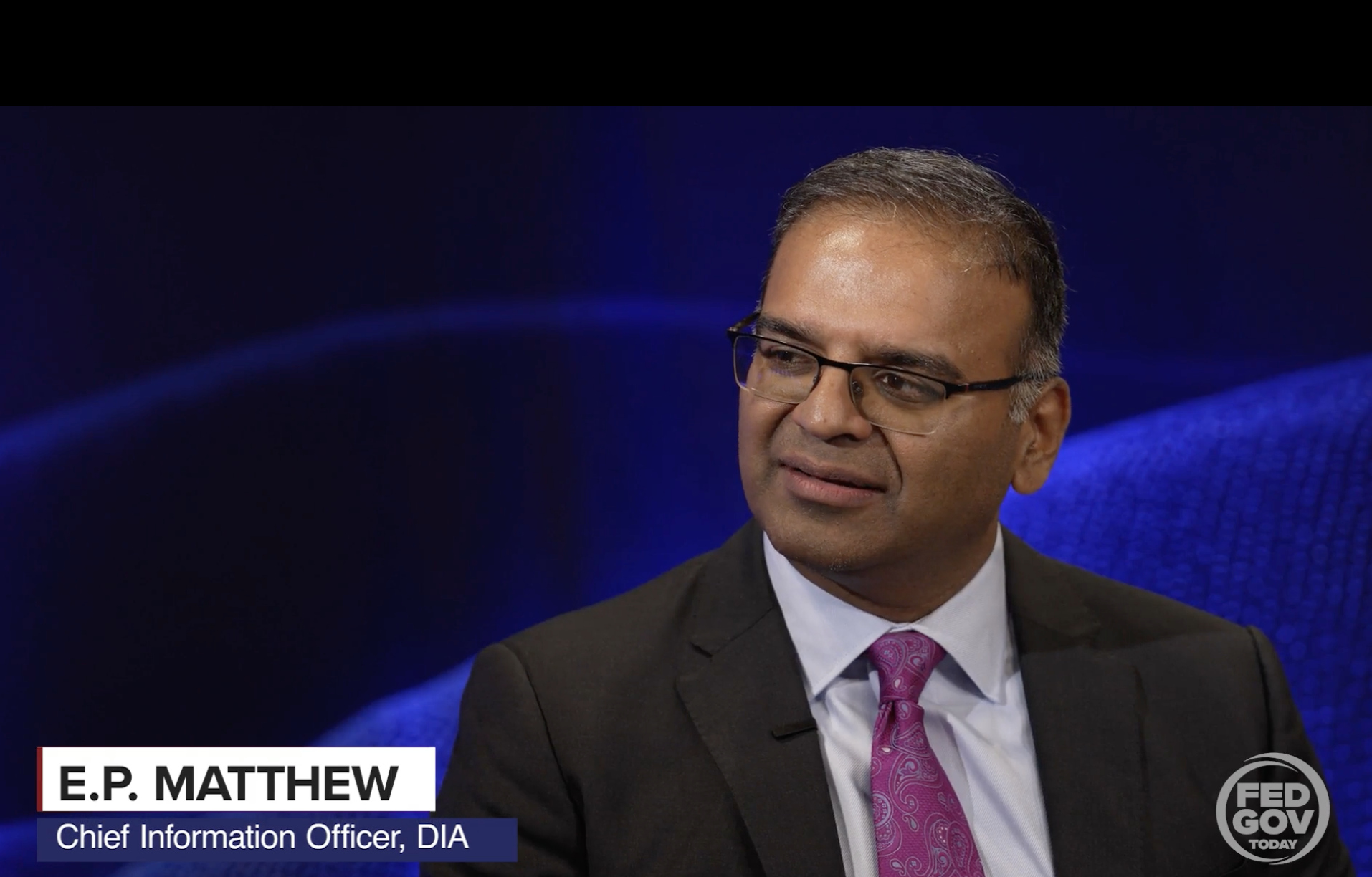
Modernizing DIA for Connectivity, Security and Decision Speed
E.P. Matthew, Chief Information Officer at the Defense Intelligence Agency, outlines a modernization strategy built around preserving command and control in contested environments.
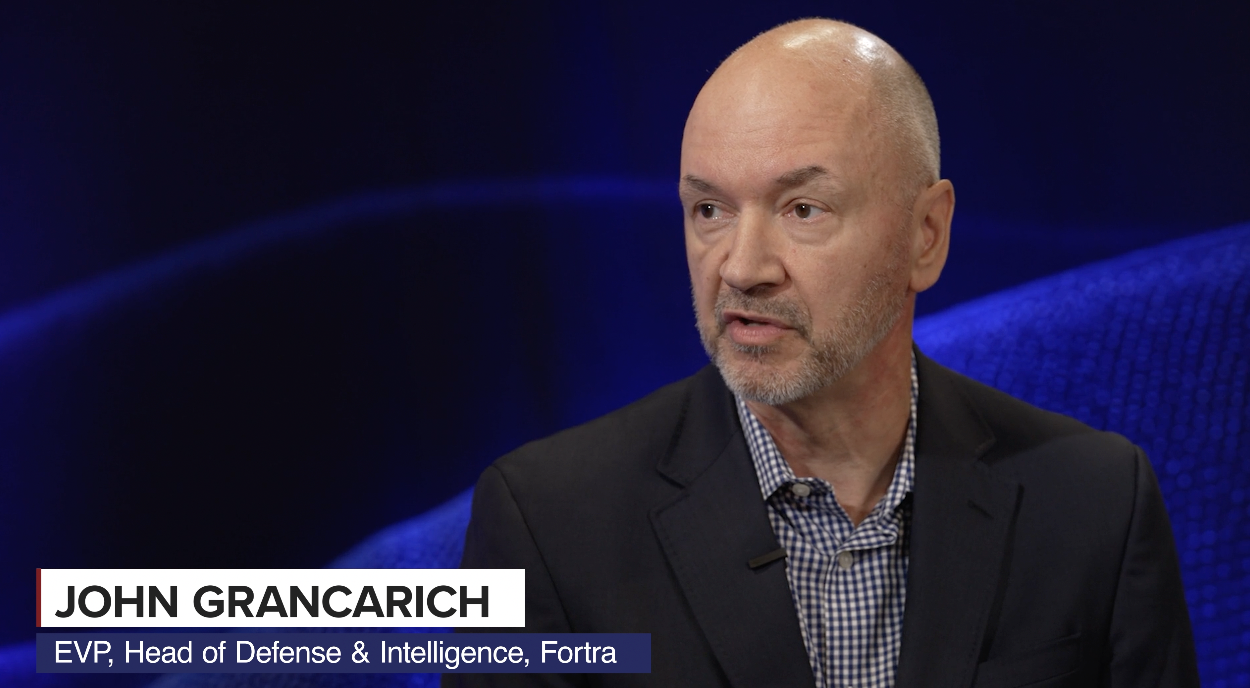
Turning Data Visibility and Classification Into Mission Advantage
John Grancarich, Executive Vice President and Head of Defense & Intelligence at Fortra, explains how intelligence organizations can turn a growing volume of data into faster, better decisions.
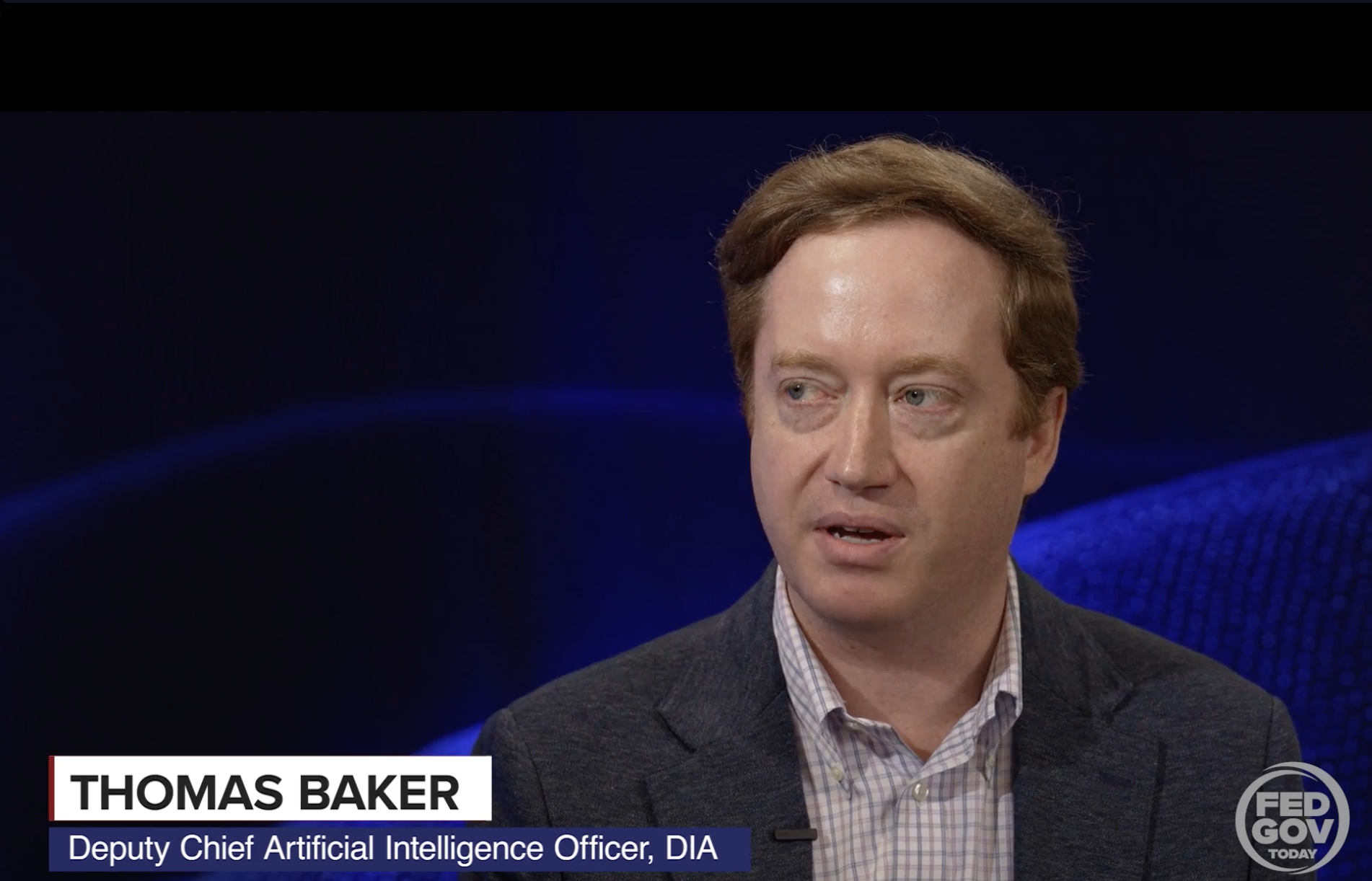
Building Trust, Assurance and AI Fluency at DIA
Thomas Baker, Deputy Chief Artificial Intelligence Officer at the Defense Intelligence Agency, says trust is the central requirement for deploying AI across the mission.
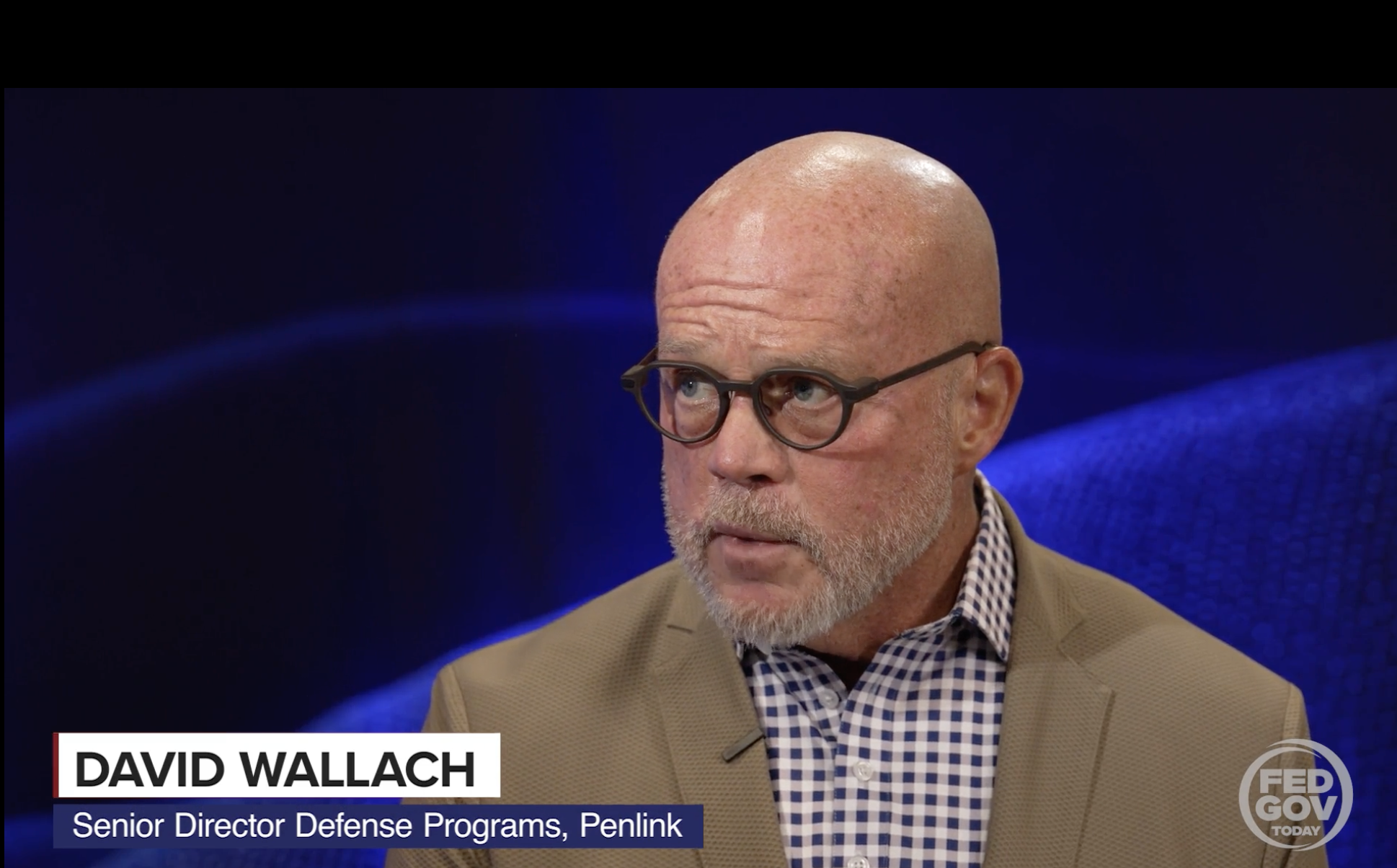
Moving From Data Overload to Actionable Intelligence at Mission Speed
David Wallach, Senior Director of Defense Programs at Penlink, examines how advanced analytics and AI can help intelligence organizations convert overwhelming volumes of data into timely, actionable insight.
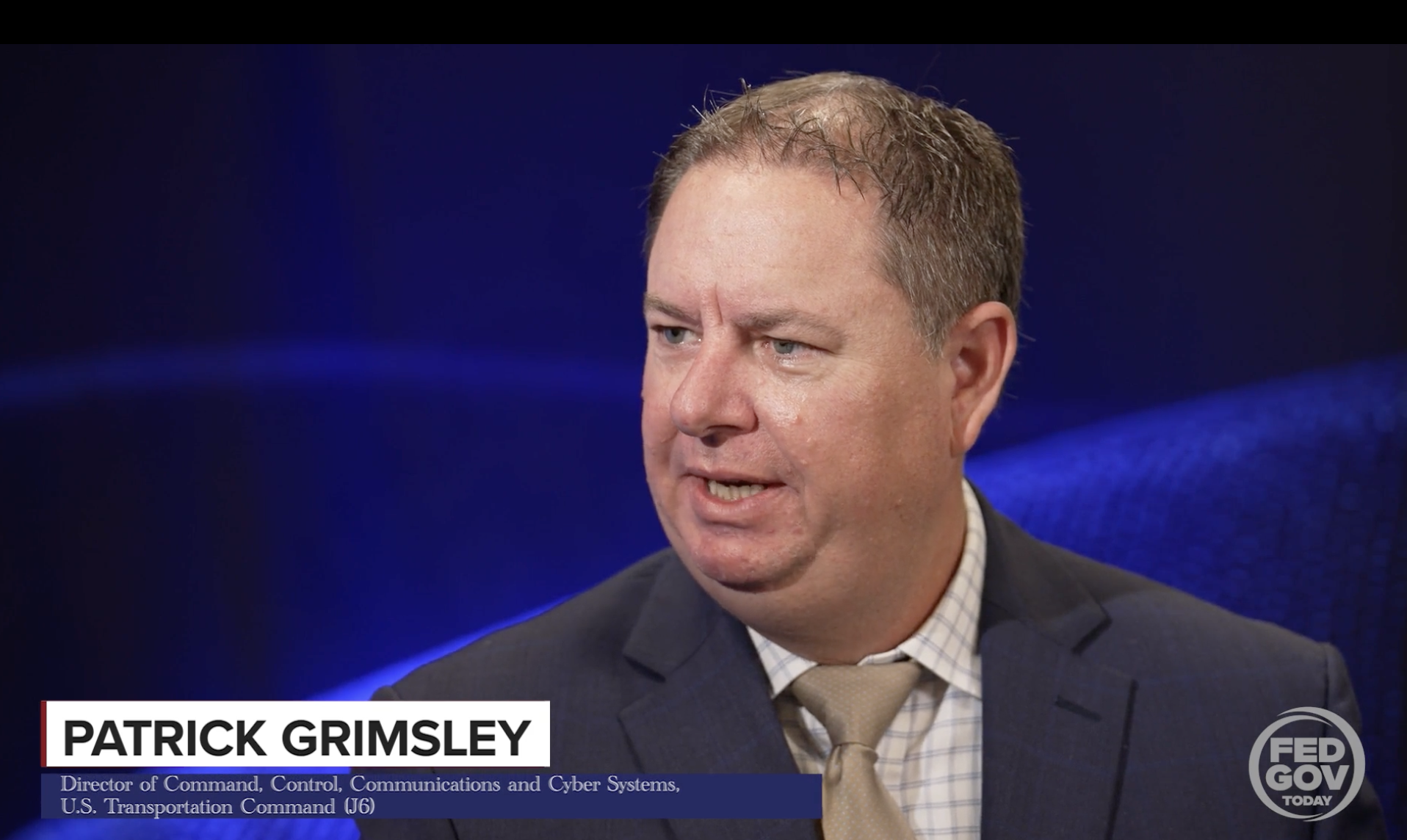
USTRANSCOM’s Shift From Systems to Data-Driven Mission Decisions
Patrick Grimsley, Director of Command, Control, Communications and Cyber Systems for U.S. Transportation Command (J6), describes a strategic shift from managing individual legacy systems to organizing technology around data and mission decisions.
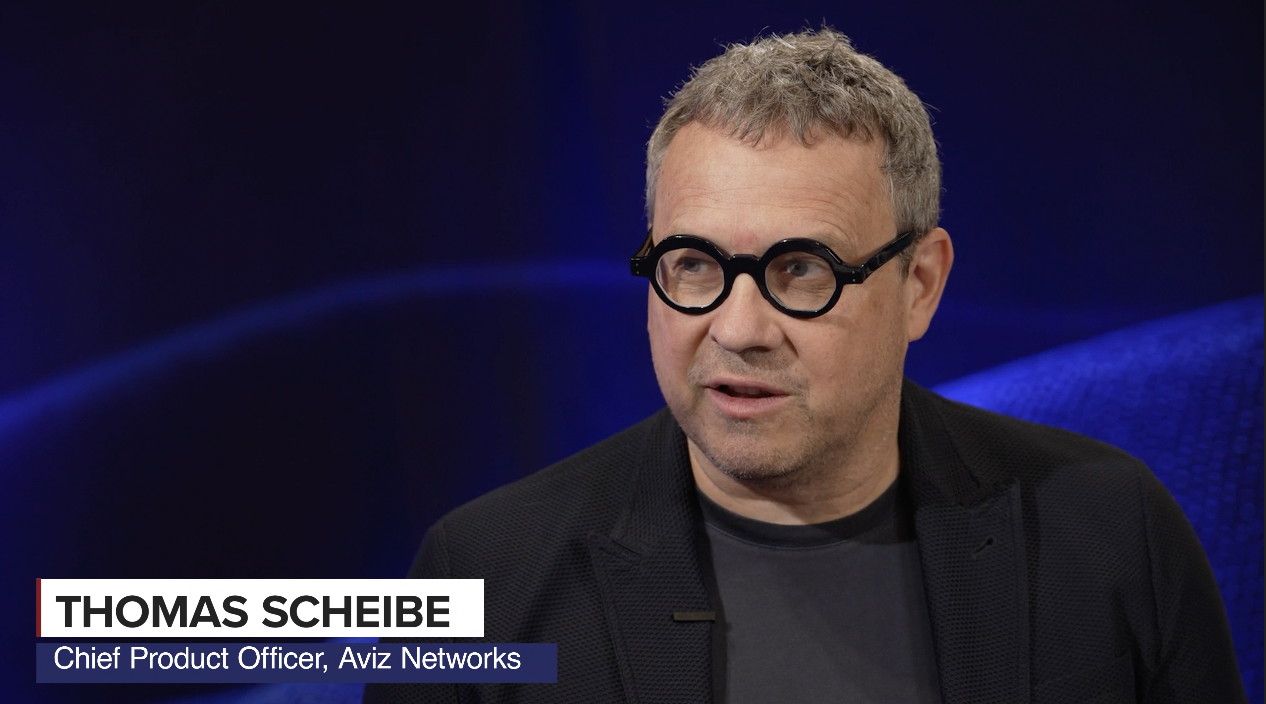
Connecting Data Silos to Drive Faster, AI-Enabled Decisions
Thomas Scheibe, Chief Product Officer at Aviz Networks, discusses how intelligence organizations can use AI to make better decisions faster and move decision authority closer to where action occurs.
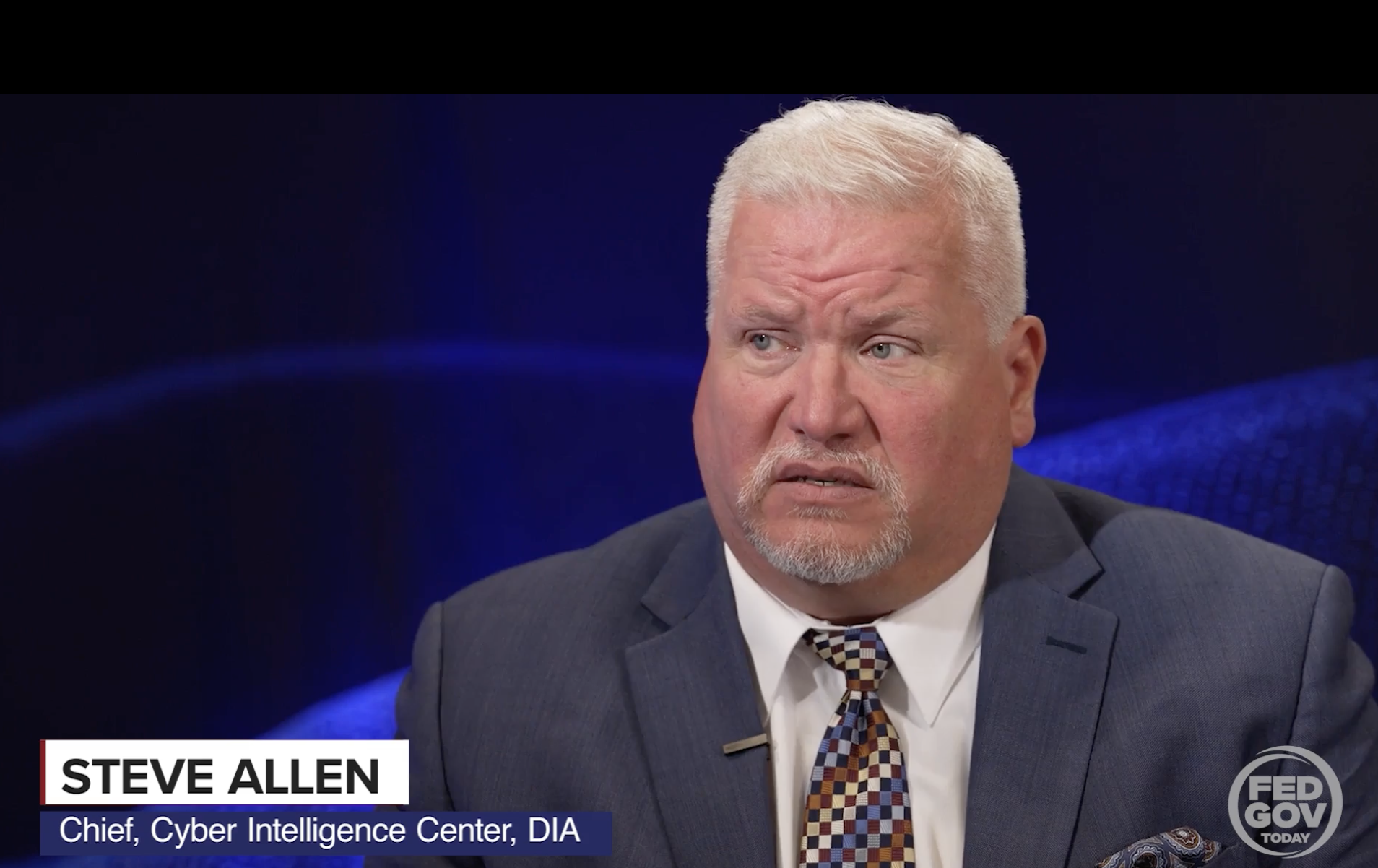
Delivering Cyber Intelligence at Mission Speed
Steve Allen, Chief of the Cyber Intelligence Center at the Defense Intelligence Agency, explN how DIA is adding cyber information to its foundational military intelligence mission.
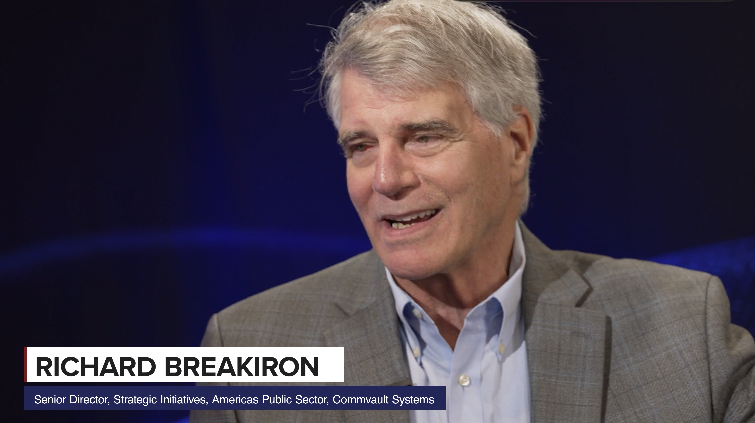
Turning Data in Motion Into Decision Advantage
Richard Breakiron, Senior Director of Strategic Initiatives at Commvault, explains why data serves as the connective tissue between people, processes and technology—and why actionable insights depend on putting that data in motion.
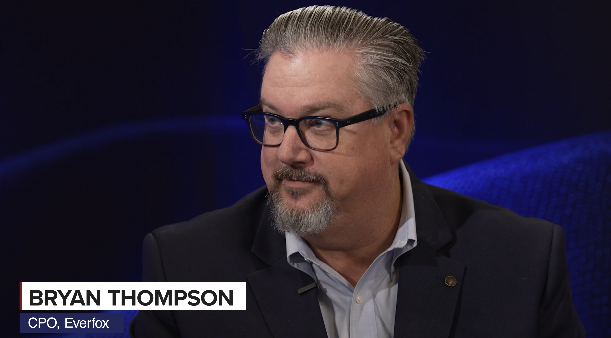
Removing the Friction: Moving Mission Data Securely at Speed
Brian Thompson of Everfox discusses how stronger government-industry partnerships can accelerate mission outcomes, remove friction from decision systems and help intelligence and defense organizations move information securely across technical boundaries.
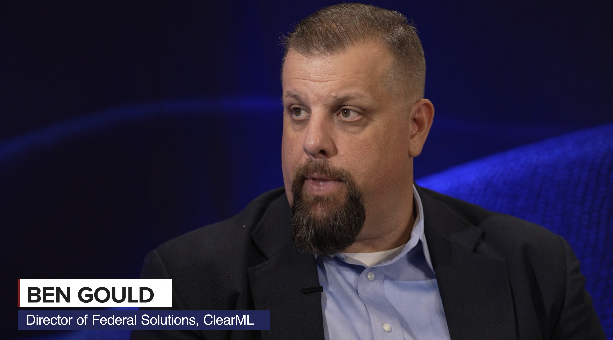
Reducing Data Overload: How AI Can Accelerate Intelligence Analysis
Ben Gould, Director of Federal Solutions at ClearML, explains how artificial intelligence and machine learning can reduce the “chatter,” prioritize the most relevant information and shorten the time between collection and actionable intelligence.