

Original Broadcast Date: 03/08/2026
Presented by Rancher Government Solutions
The U.S. Army is expanding its approach to Modular Open Systems Architecture (MOSA), moving the concept beyond hardware and into software and digital engineering. U.S. Army Maj. Domoniqué Hittner Ph.D. explains that the service is building a digital engineering ecosystem designed to connect engineering data across programs and transform it into actionable mission intelligence.
Hittner says the Army is currently in an important phase of implementing MOSA and establishing the digital engineering environment that will support it. The goal is to bring together system engineering artifacts and digital artifacts from across programs so the Army can better understand and use its data. By creating a cohesive environment for this information, the Army aims to turn fragmented engineering data into insights that can support mission needs.
She explains that the Army has worked to assess its progress and determine where improvements are needed. Part of that effort involves developing technology adoption metrics alongside the Office of the Secretary of War. These metrics include key performance indicators that help measure the effectiveness of systems across the Army’s portfolio acquisition executives.
According to Hittner, those metrics focus on factors such as effectiveness, efficiency, and user satisfaction, following standards established by the International Standards Association. By examining these indicators, the Army can determine which systems should be sustained, which can be consolidated, and how engineering data can be used more effectively across programs.
Hittner emphasizes that collaboration plays a major role in the Army’s MOSA strategy. The service is working closely with its joint partners and industry partners to ensure that implementation efforts align with broader defense initiatives. At the same time, the Army is taking what she describes as a “common sense approach” to implementation.
One of the key elements of that approach is defining lifecycle requirements earlier in the acquisition process. Instead of waiting until later stages of development, the Army is working to establish requirements and expectations upfront. Hittner says those requirements are being incorporated into policies, contract guidance, and development boundaries before requests for proposals are issued.
By doing this work in advance, the Army hopes to provide clearer expectations for vendors and partners. Hittner explains that the goal is to ensure that industry understands the standards and requirements before solutions are proposed, allowing both sides to work together more effectively.
This early planning also supports the Army’s effort to create systems that are more interoperable and adaptable. Hittner compares the concept to everyday technology in the home. If a component in a modern appliance fails, the user typically replaces the part rather than replacing the entire system. The Army is pursuing a similar idea—building systems that allow components to be replaced or upgraded without requiring a full overhaul.
To support this transformation, the Army is relying heavily on its technical workforce. Hittner highlights the role of acquisition technical experts within the Office of the Assistant Secretary of the Army for Acquisition, Logistics and Technology and the Office of the Deputy Assistant Secretary of the Army for Data, Engineering and Software.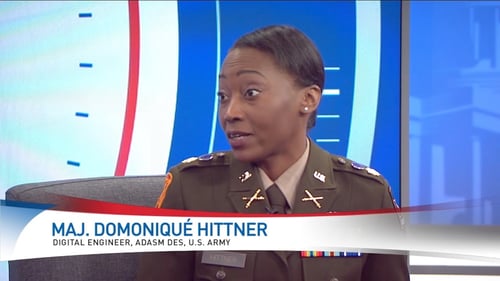
These experts bring a combination of operational experience, acquisition knowledge, and technical expertise. Many have advanced degrees in STEM fields and extensive experience conducting research and solving complex engineering challenges. According to Hittner, their work helps deliver solutions that are both meaningful and timely for the Department of Defense.
She also notes that the Army’s acquisition workforce includes many highly skilled professionals who already have deep technical knowledge. While some observers have suggested that MOSA requires re-educating acquisition personnel, Hittner says her experience has shown the strength of the existing workforce.
Talent management plays a significant role in supporting MOSA implementation. The Army is positioning its teams to provide technical guidance and expertise to portfolio acquisition executives and joint programs across the service. This structure allows the Army to apply consistent standards while also addressing complex challenges that arise during development and acquisition.
Hittner acknowledges that technological change often involves cultural shifts as well. As new systems and approaches are adopted, some organizations may take longer to adjust. She notes that this is a natural part of technology adoption and presents opportunities for education and continued development.
The Army’s mission environment is also evolving. Hittner says today’s operational landscape is more complex than in the past, requiring solutions that span multiple engineering disciplines and integrate different types of systems. Those systems may involve human operators, autonomous platforms, and other advanced technologies working together.
The digital engineering ecosystem the Army is building is intended to support that complexity. By connecting engineering data across platforms and programs, the Army can better align its resources and talent to meet mission requirements.
Ultimately, the benefits of this approach extend across the entire organization. Senior leaders, ground force commanders, acquisition executives, and other decision-makers will have access to more reliable engineering data. At the same time, soldiers in the field will benefit from systems and software that are more adaptable and responsive to changing needs.
Hittner says the Army is now preparing to issue requests for proposals related to this work. As those efforts move forward, the service is seeking collaboration with industry and academic partners to identify solutions that are ready to deploy.
The Army, she says, is ready to move forward with this transformation and looks forward to working with partners across government, industry, and academia to deliver the next generation of capabilities.