

Original Broadcast Date: 02/22/2026
Presented by Symantec, Carbon Black, & Carahsoft
The Pentagon is in what Jay Hurst calls a “mad dash” toward one of the most consequential milestones in its history: a clean financial audit by 2028.
In his conversation with Francis, Hurst, who is performing the duties of Undersecretary of Defense Comptroller, lays out both the scale of the challenge and the urgency driving the effort. The Marine Corps is on a three-year streak of clean financial audits, and that success provides inspiration. But Hurst is clear—the rest of the Department of Defense operates at a very different scale.
The Marine Corps manages about $60 billion in assets. The department as a whole manages roughly $4.6 trillion.
That size difference defines the task ahead. Still, Hurst points to meaningful progress. About half of the department’s assets already receive clean audit opinions. The remaining half is where the department is now concentrating its energy. Over the next two years, he says, the focus is on duplicating the Marine Corps’ success wherever possible and securing an overall opinion by 2028.
He acknowledges the Marine Corps’ approach has been, in many ways, “brute force”—applying significant manpower and extensive testing. The broader department plans to apply manpower as well, but Hurst says this moment is different because new technology is available. Artificial intelligence and advanced tools can magnify the impact of personnel, enabling more substantive testing and better data reconciliation than was possible just four or five years ago.
The department, he explains, is prioritizing carefully. He compares the situation to a student who has waited too long to cram for a test. The Pentagon cannot fix everything at once. Instead, it must focus on the most critical line items in its financial statements and apply centralized resources to those areas. If leaders concentrate effort in the right places—and bring the services along in that strategy—Hurst believes the department has a real shot at earning an initial opinion in 2028.
That opinion, he emphasizes, will not mark the end of the journey. Audit remediation will continue. But achieving that first clean opinion would represent a significant breakthrough.
One of the most important near-term targets is working capital funds. Hurst says the department is taking a serious run at achieving a consolidated working capital opinion across DoD. If that happens, he suggests, observers should feel confident about progress toward the broader general fund opinion in 2028. If not, he says candidly, the department will reassess and keep pushing forward.
Technology modernization is part of the strategy—but it is not a silver bullet. The Navy has rolled out a new enterprise resource planning system, and Francis asks whether similar transformations could accelerate progress across DoD. Hurst is realistic. With about 1,400 business systems across the department, a full ERP overhaul in two years is not feasible. Consolidation and modernization are happening in select high-problem areas, but for the most part, the department must work with the systems it already has.
That reality makes AI and advanced tools even more important. Hurst describes using technology to reconcile data and conduct more substantive testing within existing systems. The approach is pragmatic: improve outcomes without waiting for wholesale system replacement.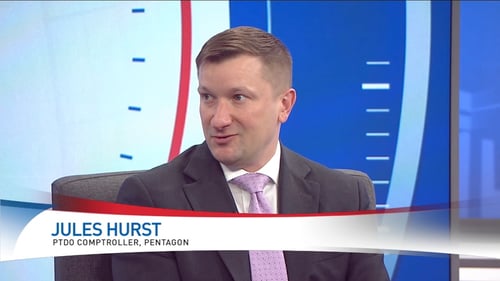
Strategically, Hurst identifies a cultural shift as one of the biggest changes underway. For years, he says, DoD audited roughly 26 individual funds, each with its own strategy. What the department did not have was a unified strategy focused on what is most important for DoD as a whole. Now, leaders are emphasizing collaboration across services and Fourth Estate organizations. The goal is to align everyone around department-wide priorities rather than individual organizational wins.
That alignment requires sustained messaging and outreach. Hurst says he and his team meet frequently with service comptrollers and other leaders to reinforce the urgency of the 2028 deadline. With only two years remaining, he notes, there is a shared understanding that business as usual will not be enough. The time constraint itself is helping drive cooperation.
Leadership support reinforces that message. The Secretary of Defense issues a memorandum in June making the audit a priority, and Deputy Secretary Steve Feinberg offers strong backing as well. Hurst describes service comptrollers as eager to be part of the team that delivers DoD’s first clean financial audit.
At the department level, Hurst sees his role as both strategic and operational. His team looks closely at elements within service audits that could jeopardize the overall DoD opinion and applies resources where they are most needed. New investments—funded through legislation and future budget requests—support audit remediation tools and personnel. Hurst describes himself as an overall “battle manager,” directing effort to the front lines of the audit challenge.
The first step in the surge is building the right team. Hurst highlights experienced leaders joining the effort and says the department is actively hiring. The skills in highest demand include data analysts, financial managers, auditors, and professionals with private-sector experience who are willing to serve—even for a short time—to help push the department across the goal line.