Presented by MFGS, Inc. & Carahsoft
Meeting the digitization objectives of the Navy and Marine Corps requires a fundamental commitment to robust infrastructure and open standards. Kevin Hansen, CTO at MFGS, Inc., emphasizes leveraging the "IT for IT" framework from the Open Group to drive compliance, velocity, and quality into software delivery across IT, operational technology (OT), and cyber domains. "It's about getting the right infrastructure in place," Hansen says. Establishing this foundational reference architecture gives leadership the metrics and data needed to measure implementation, drive priorities, and determine if new innovations should be integrated or if existing capabilities require further investment.
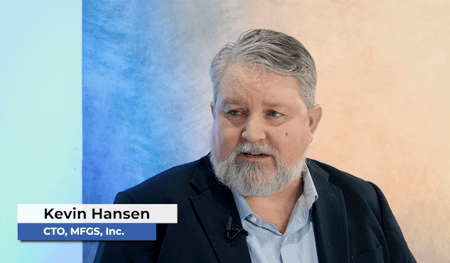 However, simply having the infrastructure is not enough; the true catalyst for speed is becoming entirely data-driven. A persistent gap within the DoD is the continued existence of data silos, which prevent critical intelligence from reaching personnel. "A lot of it is still getting the right data to the right people at the right time," Hansen explains. Whether a sailor is monitoring a ship's server console or a cyber warrior is hunting for the latest threat, "we really need more connected systems to get the fidelity of the data that we need to help drive some of the better decisions".
A major challenge in this data-sharing effort is the vast array of disparate technologies employed by the Navy. Weapon systems, navigational systems, OT platforms, and IT systems all operate using different data formats. While data governance is required to manage these formats, the sheer volume of variations creates communication bottlenecks. Looking forward, Hansen points out that the integration of artificial intelligence will be a game-changer for data normalization. "It's going to help normalize those unusual formats and make them readable again by the people who need to see that data when they need to see it," he predicts, allowing applications to communicate seamlessly without necessarily standardizing their underlying data formats.
This interview appeared in the program Innovation in Government at WEST 2026