

Original Broadcast Date: 8/9/2026
The Department of Housing and Urban Development (HUD) is introducing a new approach to grant oversight that combines artificial intelligence, data analytics, and updated business processes to improve visibility into how federal grant dollars are spent. According to Acting Chief Financial Officer Irv Dennis, the initiative is designed to provide faster insight into grant spending while helping the department identify potential fraud, waste, and abuse earlier in the process.
Improving Visibility into Grant Spending
HUD distributes approximately $77 billion in grant funding each year, but Dennis explains that while the department knows which organizations receive those funds, it has historically had limited visibility into how the money is ultimately spent.
The new initiative addresses that challenge by collecting documentation that supports grant expenditures, including invoices, contracts, and other payment records. Rather than reviewing that information manually, HUD plans to use AI and data analysis tools to process the information more efficiently.
Dennis says the goal is to build a clearer picture of where grant funding is going while improving oversight across the department's grant programs.
Building a Data-Driven Process
The technology behind the initiative begins with a new digital input portal where grantees can upload supporting documentation.
Those documents will be processed using optical character recognition (OCR) technology before being stored in a centralized data lake for analysis. Once the information is available, H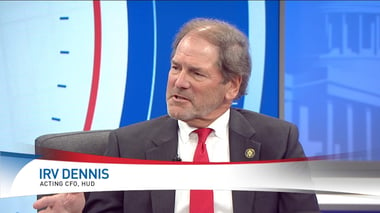 UD will use AI to compare vendor names, products, pricing, and other details against structured, unstructured, and open-source data.
That analysis will allow the department to identify potential conflicts of interest, determine whether purchases align with grant requirements, and compare pricing across vendors. Dennis notes that the technology itself is relatively straightforward. The larger challenge is redesigning the business processes that support it.
"The AI is part of this, and the IT is relatively simple. It's the business process change that goes along with it that makes this complicated," Dennis says.
Focusing on Fraud, Waste, and Abuse
A primary objective of the modernization effort is helping HUD detect fraud, waste, and abuse more quickly. Dennis explains that compliance reviews have traditionally taken significant time, sometimes identifying issues years after grant funds have already been spent. By using AI to analyze submitted documentation shortly after it is received, HUD expects to identify potential concerns much earlier.
The department also plans to distinguish between different types of findings. Some cases may indicate fraud requiring referral to HUD's fraud investigators, the Inspector General, or the Department of Justice. Others may reveal operational inefficiencies or opportunities to improve purchasing decisions across grant programs.
Dennis offers an example in which different grantees purchase the same building materials at significantly different prices. While both purchases could be legitimate, comparing that information may reveal opportunities to improve efficiency without compromising program requirements.
Managing Organizational Change
While technology enables the new process, Dennis emphasizes that successful implementation depends on preparing both HUD programs and grant recipients for new ways of working.
The department has been meeting regularly with individual program offices to understand how compliance activities will change once data becomes available in real time. Rather than spending time gathering and reviewing documentation manually, compliance staff will be able to focus more directly on investigating potential issues and determining appropriate next steps.
HUD is also developing policies and procedures that will guide how information is analyzed and how findings are evaluated before any action is taken.
Dennis stresses that having access to more data does not automatically require immediate action. Instead, the department is creating processes that help determine which issues warrant additional review and which simply require operational improvements.
Lessons from the Pilot
Before expanding the initiative, HUD conducted pilot programs to better understand how the new process would affect grantees.
One of Dennis' biggest concerns was that requesting additional documentation would create unnecessary administrative burdens. Instead, the pilots showed that many organizations already maintain the required information and can provide it with relatively little additional effort.
Some grantees already perform similar analyses within their own organizations, while others indicated they welcomed HUD's additional oversight. "We're surprised you haven't asked for it before," Dennis recalls hearing from participants during the pilot.
That feedback reinforced HUD's decision to move forward with a phased implementation that allows programs to adopt the process over time while continuing to work with grantees on reporting schedules that best fit their operations.
Measuring Success
HUD plans to launch the initiative program by program while gradually expanding the amount of information available for analysis.
Dennis says success will be measured by the department's ability to gather meaningful data, analyze it efficiently, and determine appropriate responses to findings involving fraud, waste, abuse, or operational inefficiencies.
He also believes the approach could have value beyond HUD. Because grant management is a common responsibility across federal, state, and local governments, Dennis says the lessons learned through HUD's implementation may have broader applicability for other organizations seeking to improve financial oversight.
For HUD, however, the immediate focus remains on strengthening visibility into grant spending while helping programs make faster, more informed decisions through better use of data and artificial intelligence.