

Original Broadcast Date: 10/11/2026
Presented by Commvault and Carahsoft
The U.S. Navy wants to build more ships, deliver them faster and strengthen its industrial base. But achieving those goals requires more than new contracts and construction strategies. It demands a fundamental change in how the service plans, designs and executes its shipbuilding programs.
Shelby Oakley, director of contracting and national security acquisitions at the Government Accountability Office (GAO), says the Navy is taking a closer look at its longstanding acquisition practices after years of delays and billions of dollars in cost overruns.
During an interview on Fed Gov Today, Oakley examines the Navy’s evolving shipbuilding strategy, the risks associated with accelerating production and the importance of building ships that deliver meaningful capabilities to sailors.
“The Navy is really looking internally and forcing itself to think about how it's doing business,” Oakley says.
A Different Approach to Building Ships
The Navy is exploring several approaches to improving shipbuilding outcomes, including leveraging existing vessel designs and introducing new ways to hold contractors accountable.
One approach emphasizes building relatively basic ships using established designs, then modifying or upgrading them as operational needs evolve. Another involves using a vessel construction manager, essentially a third party responsible for helping ensure contractors deliver expected results.
Both approaches aim to accelerate production, shorten acquisition timelines and expand shipbuilding capacity.
But Oakley cautions that changing the acquisition process does not automatically guarantee better outcomes.
She points to the Navy’s previous frigate program, which also relies on an existing design before ultimately being canceled. The latest approach emphasizes limiting design changes, but Oakley says the larger question remains whether the resulting ships provide the capabilities sailors actually need.
Why Planning Matters More Than Speed
According to Oakley, one of the Navy’s biggest challenges is its tendency to begin construction before fully understanding a program’s risks.
GAO research examines how leading shipbuilders and buyers around the world approach major construction programs. Their practices offer a different model.
Successful organizations establish realistic cost and schedule expectations before committing to construction. They understand the ship’s design, identify potential changes, evaluate supplier capabilities and confirm that critical components can arrive when needed.
That preparation helps establish confidence that a ship can be delivered as promised.
The Navy, however, frequently prioritizes getting programs under contract and construction underway before resolving important uncertainties.
“We rush to get things on contract. We rush to get construction started,” Oakley explains.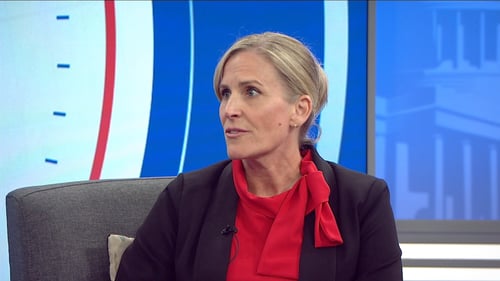
Those unresolved risks can eventually produce the delays and cost overruns that acquisition reforms are intended to prevent.
Oakley says the Navy and other military organizations face a difficult balancing act: delivering advanced capabilities while avoiding the complexity that can derail major acquisition programs.
She suggests that pursuing a practical solution today can sometimes be more valuable than waiting for a more ambitious system.
“Maybe you're not biting off the 1,000% solution, but maybe the 80% solution is okay,” she says.
The key is designing ships that can accommodate future improvements.
That approach allows the Navy to deliver useful capabilities sooner while retaining flexibility to incorporate new technologies and respond to changing operational requirements.
Oakley emphasizes that similar acquisition challenges affect other military services and the Coast Guard, making disciplined planning important across defense programs.
Lessons From the Coast Guard
The Coast Guard’s purchase of the commercial icebreaker Storis provides another example of the opportunities and risks associated with accelerating fleet expansion.
Facing an icebreaker shortage and continued delays with its Polar Security Cutter program, the Coast Guard purchases an existing vessel to obtain additional capacity.
Oakley recognizes the operational need behind that decision but questions whether the service sufficiently understands the modifications required to make the vessel mission-ready.
The Coast Guard is still determining the costs and timelines associated with those changes.
Her broader point is that acquiring ships quickly provides limited value if those vessels cannot deliver the capabilities their crews require.
The Industrial Base Challenge
Even with improved acquisition practices, Oakley identifies the shipbuilding industrial base as a major obstacle to the Navy’s ambitions.
Decades of declining capacity leave shipyards, suppliers and supporting industries struggling to meet growing demand, particularly as the United States faces increasing competition from China.
Oakley notes that the government invests approximately $20 billion through the end of the fiscal year to strengthen shipbuilding capacity, supply chains, technology and automation.
But federal investment alone cannot solve the problem.
The industrial base must also expand its capabilities, make its own investments and capitalize on government support.
For Oakley, the Navy’s shipbuilding future ultimately depends on connecting smarter acquisition decisions with a stronger industrial base.
The goal is not simply to award contracts faster or increase the number of ships under construction. It is to deliver reliable, sustainable capabilities that sailors can use when they need them most.