Presented by GEBA
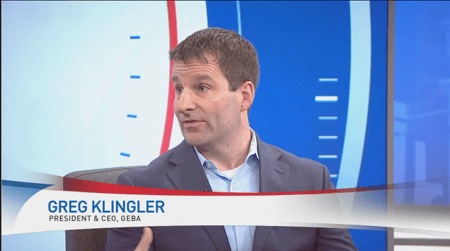
Federal employees who automatically renew their benefits may be overlooking changes that will affect their households throughout the next year. Greg Klingler, President & CEO of GEBA, says open season should begin with a deliberate review of coverage, costs, and family needs.
In his conversation with Francis Rose on Fed Gov Today, Klingler describes inertia as a major influence on plan selection. A familiar plan may feel like a safe choice, especially when it has worked well during the current year. But satisfaction with past coverage does not establish whether next year's benefits will offer the same value.
 Klingler points to rising health premiums as one reason to look closely. Even when the rate of increase slows, employees still face higher costs. When those increases outpace income growth, the pressure on household budgets grows. He says prescription coverage changes can add another layer of expense that employees may miss if they focus only on premiums.
Drug formularies are a particular concern in the interview. Medications can fall into different coverage tiers, and the way a plan shares costs with members can make a substantial difference. A fixed copayment and a percentage of the drug's price can produce very different bills. Klingler specifically encourages employees taking GLP-1 medications to review the coming year's coverage carefully.
To organize the decision, he recommends considering several possible care scenarios. Employees can examine what a plan would mean under a relatively low-use year, a more typical year, and a year with greater medical needs. That process can help identify which options remain attractive across different circumstances rather than only under one assumption.
Klingler also distinguishes health insurance from dental and vision coverage. Federal health coverage receives a government contribution, which he says remains an important factor when evaluating alternatives. Dental and vision coverage operate differently and deserve their own comparison, including other options for which employees are eligible.
Geography can influence that comparison. Klingler explains that some federal dental pricing varies by location, while a national plan may use a different approach. The relative value can change depending on where an employee lives. He cites expensive markets, including the Washington region, as places where employees should pay attention to those differences.
The goal is not to change plans simply because open season arrives. Keeping the same coverage can be a sound decision when it follows a careful review. Klingler's central point is that retaining a plan should be an active choice supported by current information.
He encourages employees to use available comparison tools and the plan information accessible through benefits resources. Setting aside focused time can make a complicated decision more manageable. The potential payoff, he says, makes the effort worthwhile.
For employees preparing for 2027, the interview offers a practical starting point: review what is changing, assess the costs that matter to your family, and compare the available choices. A familiar plan may remain the best fit, but the evidence should come from the coming year's coverage rather than habit alone. That review is the work open season makes possible for federal employees and their families.