

Original Broadcast Date: 10/18/2026
Sponsored by Accenture Federal Services
The Navy is accelerating its use of artificial intelligence, commercial partnerships are helping the military deliver new capabilities faster, and growing interest in nuclear energy is changing how the Pentagon approaches operational power.
On this episode of Fed Gov Today, leaders from the Navy, Accenture Federal Services and the Pentagon discuss how emerging technologies and new approaches to innovation are shaping military readiness.
Barry Tanner, Chief Information Officer at the Navy, explains how the service is executing its strategy to weaponize data and artificial intelligence. Tanner says success depends on how quickly sailors and Marines can turn information into action. He discusses modernizing digital infrastructure, improving access to trusted data and using exercises like RIMPAC to test emerging capabilities.
Autumn Sand, Managing Director and Defense Portfolio Lead at Accenture Federal Services, examines how commercial innovation can help the military move faster. Sand says the private sector brings experience operating at speed and scale, particularly in areas like autonomy and robotics. She emphasizes the importance of partnerships that connect commercial capabilities with military mission requirements.
Mike Smith, Nuclear Portfolio Lead for Operational Energy Innovation at the Pentagon, describes growing demand for advanced nuclear technologies across the military. With the Army's Project Janus and the Air Force's ANPI program moving forward, Smith explains how his office invests in early-stage technologies, reduces technical risks and incorporates warfighter feedback into research and development.
Together, these conversations highlight how speed, collaboration and emerging technologies are influencing the military's approach to modernization and future operational capabilities.
The Navy's AI Strategy Comes Down to One Thing: Speed
The Navy is moving forward with its strategy to weaponize data and artificial intelligence, and Barry Tanner says the biggest priority is helping the service learn and adapt faster than its adversaries.
Tanner, Chief Information Officer at the Navy, says emerging superintelligence capabilities create new opportunities and threats, particularly as the time between identifying a cyber vulnerability and exploiting it continues to shrink.
To keep pace, the Navy is focusing on what Tanner calls "mean time to effect," measuring how quickly information becomes actionable.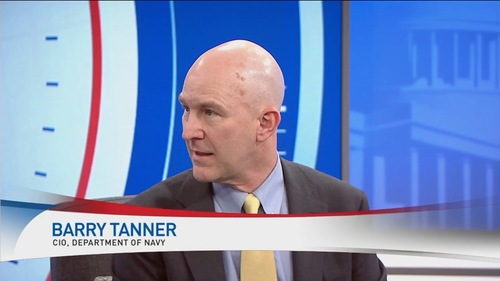
That effort begins with data. Tanner says the Navy is working to make information more accessible, usable and trusted through platforms like the War Data Platform, formerly known as Advana.
Modernizing infrastructure aboard ships is another important part of the strategy. Tanner says new vessels need digital capabilities built in from the beginning, while existing ships require upgrades.
He also points to exercises like RIMPAC, where sailors and Marines test new technologies in operational environments.
Tanner says those exercises help the Navy identify what works, what needs improvement and how to accelerate the adoption of new capabilities.
Ultimately, success means getting useful technology into warfighters' hands and seeing them put it to work faster.
How Commercial Innovation Can Help the Military Move Faster
The military is looking for ways to deliver new capabilities faster, and Autumn Sand says the commercial sector has an important role to play.
Sand, Managing Director and Defense Portfolio Lead at Accenture Federal Services, says commercial companies operate in highly competitive environments where speed, scale and continuous innovation are essential.
During an interview on Fed Gov Today, she explains how those same principles can help the military respond to emerging threats and strengthen operational capabilities.
Sand emphasizes the importance of collaboration across government, the defense industrial base and the broader commercial sector.
She says companies working with military organizations need to understand both emerging technologies and the specific challenges warfighters face.
That includes identifying dual-use technologies, such as autonomy and robotics, that already have commercial applications and could support 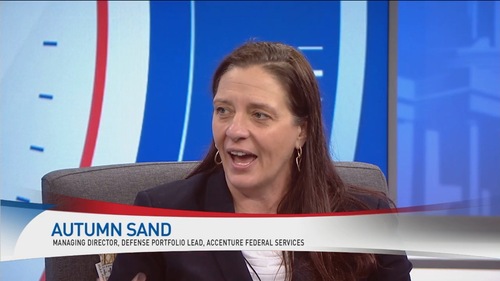 military missions.
Sand also discusses how better access to complete, relevant and actionable information can help military leaders make decisions faster.
She says commercial organizations face similar pressures when competing in their own markets.
Ultimately, Sand argues that successful partnerships begin with understanding the military's desired outcomes.
Rather than following a rigid script, she says industry should have opportunities to innovate alongside government partners and identify the best ways to achieve mission objectives.
Why the Pentagon Is Betting on Nuclear Microreactors
Interest in advanced nuclear power is growing across the military, and Mike Smith says the conversation around nuclear technologies has changed dramatically over the past two years.
Smith, Nuclear Portfolio Lead for Operational Energy Innovation at the Pentagon, says programs like the Army's Project Janus and the Air Force's ANPI initiative are creating stronger demand for nuclear microreactor capabilities.
During an interview on Fed Gov Today, Smith explains how his office supports those efforts through strategic investments in early-stage technologies.
Rather than developing complete microreactors, his team focuses on reducing technical and financial risks associated with materials, fuel, subsystems and other supporting capabilities.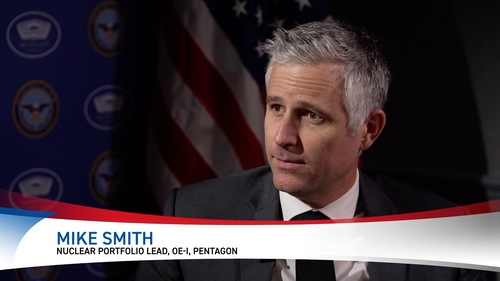
Smith says those investments do not always produce technologies that move forward. Even unsuccessful research can provide valuable information that helps military partners make better decisions.
He also emphasizes the importance of incorporating warfighter feedback early in the development process.
Practical considerations, including how equipment is transported or handled, can significantly influence a technology's final design.
Smith says executive direction, legislative developments and growing demand from military services are creating new opportunities for nuclear innovation.
With interest increasing, his office is working to help promising technologies advance toward potential operational applications.