

Original Broadcast Date: 11/15/2026
Sponsored by WAEPA
The Pentagon is taking a new approach to eliminating bureaucracy, accelerating military investments, and improving financial accountability. At the same time, federal employees face important decisions as Open Season begins.
On this episode of Fed Gov Today with Francis Rose, Jules Hurst, Comptroller at the Pentagon, discusses how the department is reshaping financial management to better support warfighters.
Hurst introduces the Force Agility and Streamlining Teams (FAST), an internal consulting initiative designed to identify inefficiencies, improve contracting, and redirect resources toward higher priorities. He explains how FAST works with organizations across the department to modernize processes and improve the value of government spending.
The conversation also explores the Pentagon's progress toward its fiscal year 2028 audit goal. Hurst shares how the department is using existing financial systems, improving data visibility, and applying lessons from organizations that have already achieved clean audit opinions.
He also highlights the department's rapid obligation of $150 billion in fiscal year 2026, supporting investments in emerging military capabilities, including drone and counter-drone technologies.
Later, Shane Canfield, CEO of WAEPA, joins the program to discuss what federal employees should consider during Open Season.
Canfield encourages employees to review their health and life insurance coverage annually rather than automatically renewing existing plans. He explains how changing family circumstances, financial obligations, and future income needs can influence coverage decisions.
The Pentagon Is Rethinking How It Spends Billions, and the Changes Are Already Underway
The Pentagon is working to eliminate unnecessary bureaucracy, improve financial management, and move resources toward its highest military priorities.
Jules Hurst, Comptroller at the Pentagon, joins Francis Rose to explain how the department's new Force Agility and Streamlining Teams (FAST) are helping make that possible.
Hurst describes FAST as an internal consulting organization that works with Pentagon offices to identify inefficiencies, modernize processes, and improve contracting decisions. By reviewing contracts and identifying unnecessary costs, the initiative aims to generate savings that can support higher-priority military investments.
The conversation also explores the Pentagon's progress toward achieving a clean audit opinion by fiscal year 2028.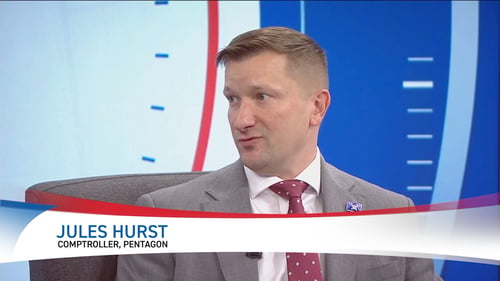
Hurst explains how the department is using its existing financial systems, consolidating audit efforts, and leveraging the War Data Platform to improve financial visibility and accountability.
He also highlights significant progress in military spending. During fiscal year 2026, the department obligates $150 billion from funding provided through the One Big Beautiful Bill Act, supporting critical capabilities for warfighters.
From improving financial oversight to accelerating investments in autonomous technologies, Hurst explains how the Pentagon is working to make its financial operations more efficient and responsive to military needs.
Most Federal Employees Skip This Open Season Step, and It Could Cost Them
Open Season gives federal employees an opportunity to review their insurance coverage, but many continue with their existing plans without considering whether those benefits still meet their needs.
Shane Canfield, CEO of WAEPA, joins the show to explain why taking time to evaluate health and life insurance can make an important difference for federal employees and their families.
Canfield says rising health care costs make reviewing available plans especially important. With numerous options across the federal system, employees should consider their premiums, benefits, and family circumstances before making decisions.
But health insurance is only part of the conversation.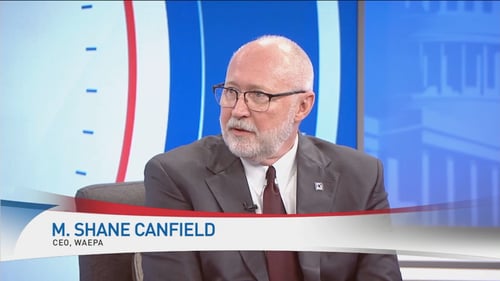
Canfield encourages federal employees to examine their life insurance coverage as well, particularly as their financial responsibilities change.
Buying a home, getting married, having children, and approaching retirement can all influence how much coverage someone needs.
He also explains why employees should consider both existing debts and the potential loss of future income when evaluating life insurance.
Rather than treating coverage as an all-or-nothing decision, Canfield suggests adjusting benefits as circumstances evolve.
His message is straightforward: making insurance reviews an annual habit can help federal employees find coverage that better reflects their changing needs.