Presented by GitLab & Carahsoft
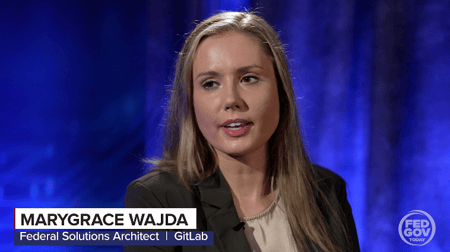
Automation is essential to modern DevSecOps, but automating isolated tasks does not by itself produce continuous authorization or effective cyber risk management. MaryGrace Wajda, Federal Solutions Architect at GitLab, explains that agencies also need a unified, end-to-end record of what happened throughout the software-delivery lifecycle.
 Planning, code changes, security testing and deployment evidence often reside in disconnected systems. When teams need to support an audit or authorization decision, they may struggle to reconstruct the history. A strong platform foundation can unify those artifacts and make the lifecycle traceable from initial requirements through development, testing and promotion to production.
Agency leaders should be able to answer fundamental questions: Who performed an action? What changed? When did it happen? Which evidence supports the decision to deploy? That context is valuable beyond formal authorization. Developers and security teams must collaborate to triage and remediate vulnerabilities, but conflicting spreadsheets and disconnected data sets create delays. A unified view allows everyone to operate from the same information.
Security teams can then trace a vulnerability to the specific code and commit where it appeared and examine the chain of events that followed. That visibility improves everyday collaboration, authorization and incident investigation.
Unified data also strengthens artificial intelligence. Models produce more useful output when they can access consistent, relevant context. AI operating across fragmented systems and multiple versions of the same information may consume significant resources without delivering measurable value. Establishing a coherent workflow foundation improves the potential return from AI investments.
Real-time visibility is especially important for cyber defense. Leaders need more than a snapshot of risk taken at a single point in time. Continuous insight into the security posture of applications and systems helps teams identify changing conditions, address vulnerabilities and reduce risk before an issue becomes a breach.
Continuous authorization therefore depends on three connected elements: automation, unified evidence and persistent visibility. Together, they reduce manual error, improve auditability and allow speed and security to reinforce each other throughout the delivery lifecycle.
Key Takeaways
- Continuous authorization requires traceable evidence across planning, coding, testing and deployment.
- A unified data model gives developers, security teams, auditors and authorizing officials shared context.
- Continuous visibility helps agencies identify changing cyber risk and address threats before they become breaches.