Original Broadcast Date: 11/15/2026
Sponsored by WAEPA
Federal Open Season gives employees an opportunity to evaluate their health insurance, compare benefits, and make decisions that affect their families' financial security. But Shane Canfield, CEO of WAEPA, says many federal employees overlook one of the most important parts of the process: reviewing whether their existing coverage still meets their needs. During an interview on Fed Gov Today with Francis Rose, Canfield explains why Open Season should be more than an automatic renewal of benefits. With health care costs continuing to rise, he says taking time to compare available options can make a meaningful difference.
Why federal employees should reconsider their health insurance
Canfield says health insurance remains one of the biggest financial considerations during Open Season. He points to another year of double-digit increases in health care costs as a reason employees should pay closer attention to their coverage. Despite those rising costs, many federal employees do not actively compare their options. Instead, they allow their existing plans to continue without determining whether another choice might better fit their circumstances. Canfield encourages employees to approach the process as a family decision. That means considering the coverage they need, the premiums they can afford, and the benefits that matter most. The federal system offers numerous health insurance options, creating opportunities to compare plans based on individual needs. Although reviewing those choices takes time, Canfield believes the effort is worthwhile. He estimates that spending an hour or two evaluating available plans can help employees make more informed decisions.
While health insurance receives much of the attention during Open Season, Canfield says employees should also examine their life insurance. He explains that life insurance decisions often happen in response to major life events. Someone gets married, purchases a home, or welcomes a child into the family. Those changes can prompt people to consider whether they need additional financial protection. But Canfield believes employees should not wait for a major event before reviewing their policies. Instead, he encourages making life insurance evaluations part of an annual routine. He compares the process to checking smoke detector batteries when the clocks change. The idea is to establish a regular reminder to evaluate whether existing coverage still makes sense. For Canfield, the most important starting point is understanding what a family actually needs.
Two financial factors employees should consider
When evaluating life insurance, Canfield identifies two major considerations. The first is existing debt. Financial obligations can include responsibilities that remain even if a family's primary income changes or disappears. The second consideration is something Canfield believes people frequently overlook: future income. He uses the example of a 50-year-old employee who may still have another 15 or 20 years of earning potential. If that income unexpectedly disappears, surviving family members may face significant financial challenges. That means determining 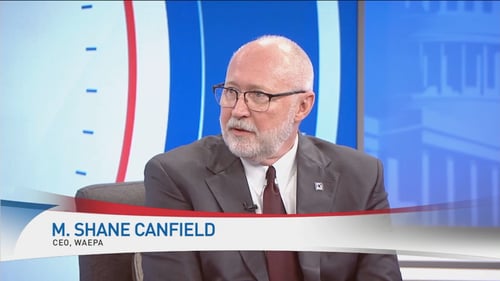 appropriate life insurance coverage requires looking beyond current expenses. Employees should also consider the income their families may depend on in the years ahead. Canfield explains that these calculations naturally change throughout someone's life. The amount of protection a person needs early in their career may look very different from what they need later.
One of the biggest mistakes Canfield sees is treating life insurance as a choice between maintaining full coverage and eliminating it entirely. He says this becomes particularly relevant as employees get older and premiums increase. Someone may decide that because their existing policy is becoming more expensive, they no longer need life insurance. But Canfield suggests there may be another option. Instead of eliminating coverage, an employee might consider reducing the amount to better reflect current financial responsibilities. For example, someone whose children are financially independent or whose obligations have changed may not need the same level of coverage they purchased years earlier. The important point is that coverage can evolve. Canfield encourages employees to begin with a needs analysis before choosing a specific insurance product. Once they understand their financial responsibilities and family circumstances, they can evaluate what coverage and price make sense.
Canfield also encourages federal employees to compare life insurance options rather than automatically relying on the plan offered through their employer. He says employees should not assume an employer-sponsored policy is necessarily the best choice for their individual circumstances. Instead, they should take time to explore the market after determining their coverage needs. That comparison can help employees evaluate different products and prices. For Canfield, the process begins with understanding personal financial needs rather than selecting a policy first.
Ultimately, Canfield wants federal employees to think about Open Season as an opportunity to review more than health insurance. It is also a chance to evaluate how their financial circumstances have changed over the previous year. Family responsibilities evolve, financial obligations shift, and insurance needs change alongside them. By reviewing health and life insurance together, employees can make decisions that better reflect their current situations. Canfield's advice centers on a simple habit: take time every year to assess your needs, compare your options, and make sure your coverage continues to work for you and your family.