Presented by Granicus & Carahsoft
Customer experience in government is often associated with websites, contact centers, forms and digital services. John Boerstler, General Manager of Federal at Granicus and former Chief Veterans Experience Officer at VA, argues that one element connects them all: communications.
In this Innovation in Government segment from the GovExperience Summit, Boerstler says communications are essential to customer experience, user experience and employee experience. His point is straightforward: agencies cannot deliver a strong public-facing experience if the people delivering that service are not also supported with clear information, aligned processes and effective communications.
Communications matter throughout the service journey. They help citizens understand what benefits and services they may be eligible for. They help agencies manage expectations when a process takes time. They remind people to complete forms, meet deadlines or take the next step. And they help agencies build trust by showing citizens where they are in the process and what to expect next.
Boerstler draws on his VA experience to show the impact of that approach. As Chief Veterans Experience Officer, he saw the importance of regular outreach to veterans and other VA stakeholders. He describes VA’s weekly communications to millions of veterans as a way to keep people informed, build trust and connect eligible populations with programs and services.
The PACT Act provides a larger example. The law made millions of veterans eligible for health care and benefits tied to toxic exposure. But eligibility alone does not guarantee that people will apply or enroll. Agencies have to identify the right audiences, communicate clearly and adjust their outreach based on what works. Boerstler says Granicus worked with VA offices and high-impact service providers to help build a campaign to reach unenrolled veterans. As data came in, the campaign could be refined based on what was effective with different audiences.
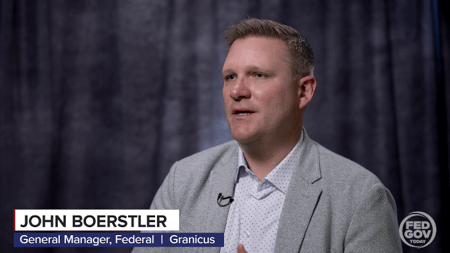 The result, Boerstler says, was significant: from 2022 to 2024, VA enrolled 3 million of the 5 million veterans it initially targeted. For him, that demonstrates how communications can become part of service delivery. It is not just about sending messages. It is about helping people understand their eligibility, complete steps, prepare for appointments and navigate a complicated system.
The segment also highlights the connection between CX and fraud prevention. Boerstler describes the creation of V-SAFE, the Veteran Scam and Fraud Evasion initiative, as a response to scams targeting veterans’ health care, disability compensation, education benefits and home loans. Veterans facing scams should not have to determine which agency has enforcement authority or where to report the problem. Government should provide a clear front door and route the issue appropriately behind the scenes.
That same principle applies across government. The public should not need to understand agency boundaries, enforcement jurisdictions or internal processes to get help. A good experience simplifies those paths. It informs people before problems escalate. It connects them with the right service. It gives them confidence that government knows what it is doing and cares about the outcome.
Boerstler’s segment makes a powerful case that communications are not a soft add-on to digital service delivery. They are operational infrastructure. They shape trust, improve completion rates, support employees and help agencies deliver measurable outcomes. For government CX leaders, the lesson is clear: better service starts with better communication.
Key Takeaways
- Communications are central to every stage of the customer experience journey.
- Data-informed outreach can improve public awareness, eligibility and enrollment.
- Scam and fraud prevention should be designed around the citizen’s need for a clear front door.