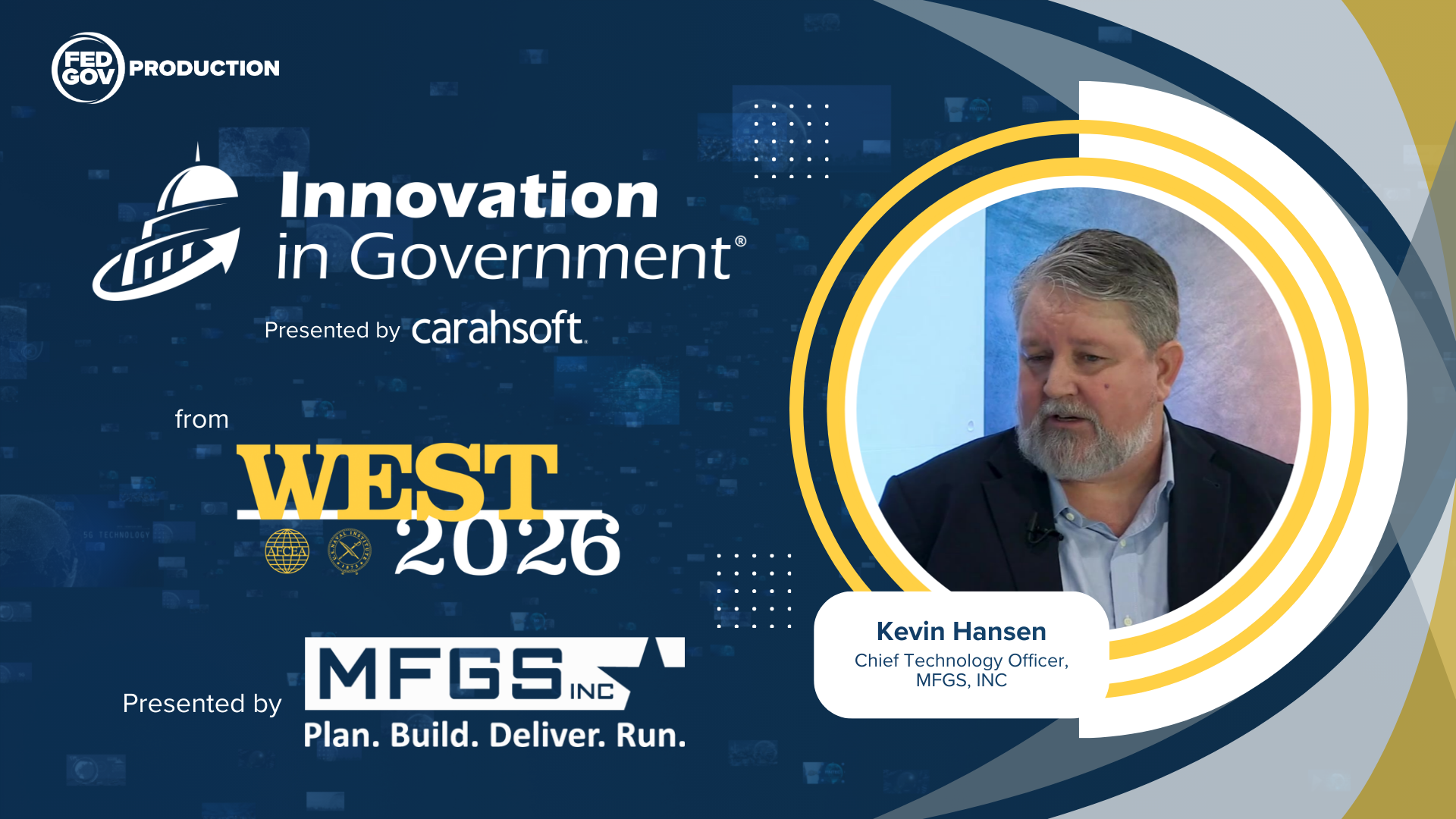
Presented by MFGS, Inc & Carahsoft
Kevin Hansen, Chief Technology Officer at MFGS, Inc., sat down with host Francis Rose at TechNet Cyber 2026 to explore how zero trust principles are evolving in the era of artificial intelligence — and why the next frontier isn't just about securing networks, but about governing machine-speed action.
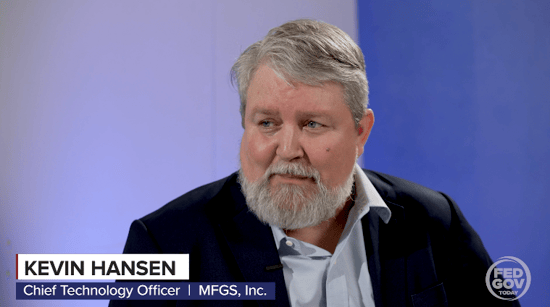 Hansen opened by affirming that zero trust will have a profound and multifaceted impact on defense operations. Where "defense in depth" once meant hardening the perimeter, that model has been fundamentally challenged by the reality that adversaries are already inside networks — the question is no longer if a breach will happen, but when. Zero trust addresses that by enabling continuous monitoring, precise identification of who is on the network, what devices they're using, and when — giving defenders the confidence and speed to act on threats before they affect the mission.
But the more forward-looking portion of Hansen's remarks centered on the implications of agentic and autonomous AI. As AI agents operate at machine speed and carry out tasks without human intervention, Hansen argued that traditional identity and access management frameworks need to evolve rapidly. Autonomous agents do not require the same permissions as human users — they should be issued time-limited tokens with tightly scoped capabilities, and that access should be terminated once the task is complete. It's an extension of least-privilege principles taken, as Hansen put it, "to the nth degree."
Hansen also addressed the growing importance of securing tactical edge environments — the forward-deployed systems that war fighters depend on for mission-critical decisions. The same zero trust philosophies being built into enterprise environments must travel with those systems into the field, where the stakes of a breach are highest. As for the obstacles — budget constraints and varying levels of organizational maturity — Hansen was characteristically direct: they're the same obstacles the department has always faced, and they yield to the same solution: clear priorities and committed investment.
Key Takeaways:
- Zero trust's precision enables speed — continuous monitoring and precise threat identification allow defenders to act faster than adversaries, directly supporting mission success.
- Autonomous AI agents require a new approach to identity: time-limited, narrowly scoped tokens — not the broad permissions granted to human users — to enforce least privilege at machine speed.
- Tactical edge environments must receive the same zero trust protections as enterprise systems; the war fighter's mission depends on it.